
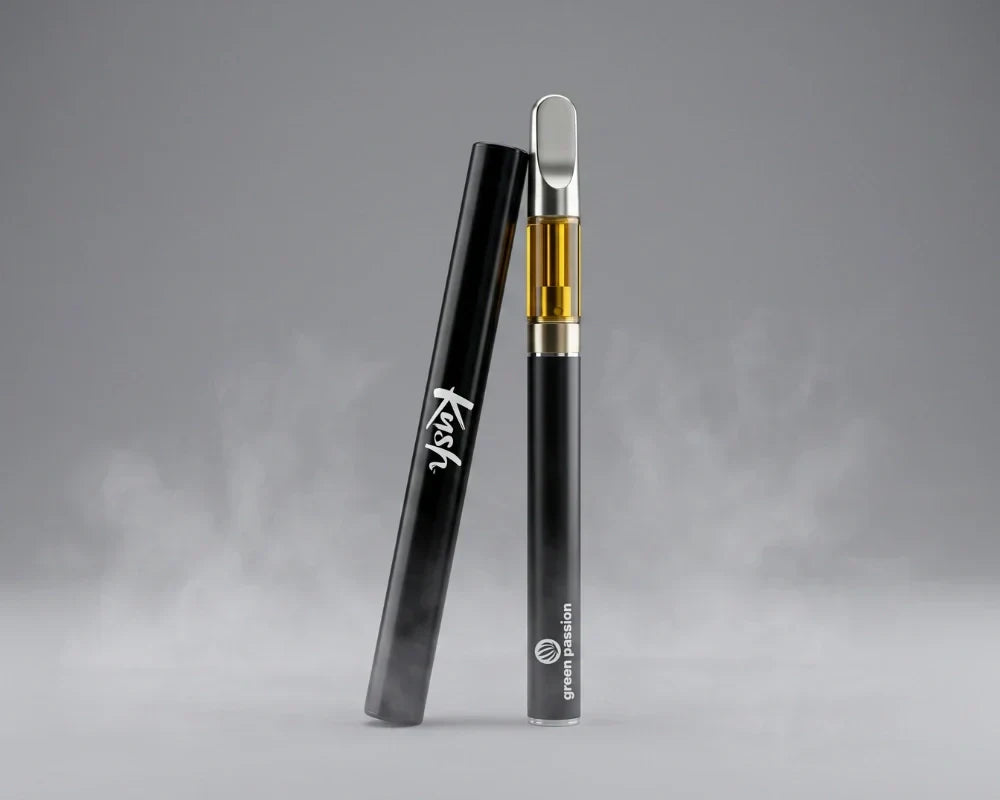
Which vaporizer is actually good? The question sounds simple, but once you really start comparing devices, you quickly realize: there’s a lot more technology behind this than most people expect. So I’ve put together everything you need for a vaporizer buying decision. The focus is on technical aspects, material knowledge, and the differences between devices.
Quick summary of what this is about:
Vaporizing works differently than most people think. Heating method, coil material, and temperature precision determine what a vape can really do. This guide explains the physics behind it: convection vs. conduction, why terpenes have different boiling points, what sets Kanthal apart from stainless steel, and when a disposable vape pen reaches its limits. No marketing jargon, just the technical craft.
What a vaporizer actually does
What a vaporizer actually does
Vaporizing is not burning. That sounds trivial, but it’s the key technical difference. A vaporizer heats the filled material to a precisely defined temperature, without creating an open flame. The result is an aerosol, not smoke. This aerosol is created by purposefully releasing volatile compounds, including terpenes and other aroma-active substances. Once you understand the principle, you’ll look at CBD flowers differently: The aroma potential is in the material, and the vaporizer determines how much of it is actually released.
If you’ve ever compared a good pair of headphones to a basic headset, you know the principle: same function, completely different execution. It’s the same with vaporizers.
Vape vs. Vaporizer: What’s the difference?
The terms are often mixed up, but they technically refer to different types of devices. The difference matters if you know what you’re actually looking for. For a deeper dive into what technically separates smoking from vaporizing, check out the related blog post.
| Feature | CBD Vape / Vape pen | Vaporizer |
|---|---|---|
| Heating material | Liquid / Cartridge | Concentrate / Dry herb / Flowers |
| Heating method | Conduction via coil | Convection or hybrid |
| Temperature control | None or fixed | Continuously adjustable |
| Design | Pen-shaped, compact | Desktop or handheld device |
| Starting price | From CHF 9.90 | From CHF 29.90 |
| Target group | Beginners, on the go | Tech-oriented users |
| Example | Kush CBD vape pen | CRAFTY+ / Puffco Peak |
CBD Vapes are mainly cartridge or disposable devices for liquid formats. Vaporizers in the strict sense, like the CRAFTY+ from Storz & Bickel or the Puffco Peak, are precise vaporizing devices for concentrates or plant material with full temperature control. The difference is about the same as between a disposable razor and a high-quality wet shaving set.
Convection heat vs. contact heat
The most important technical parameter when comparing vaporizers is the heating method. There are basically two systems.
Convection heating: Hot air flows through the material and vaporizes it from the inside out. The result is a more balanced aroma profile, because all the material is heated evenly. High-quality devices like the CRAFTY+ almost always use this principle.
Contact or conduction heating: The material sits directly on a heated surface, typically a ceramic or metal chamber. The heat transfers from the bottom up. More affordable devices often use this system because it’s easier to build. The downside: the material can be heated unevenly, which affects the aroma profile.
Hybrid devices like the Puffco Peak combine both methods, which regularly improves results in tests.
Vaporizer temperature: Why it makes all the difference
The vaporizing temperature is the key tuning parameter. Terpenes, the aromatic compounds in the hemp plant, have different boiling points:
- Myrcene boils at about 167 °C
- Limonene at around 176 °C
- Linalool vaporizes at about 198 °C
- Caryophyllene needs about 160 °C
What this means: If you vaporize at lower temperatures between 160 and 175 °C, you get a more complex, lighter aerosol. Higher temperatures from 190 °C capture less volatile compounds, making the aerosol denser and more intense. Affordable devices without precise temperature control work in fixed steps. High-end devices like the CRAFTY+ allow you to set the temperature to the exact degree. What’s behind each compound is explained in detail in the article about the role of terpenes.
Coils & materials: What happens inside a vape
The coil as the heart of the device
In liquid-based devices, the coil does the heating. It’s a resistance spiral that produces heat when electricity is applied. The voltage and material choice determine how much heat is produced and how quickly. If you use CBD e-liquids, you’ll quickly notice the difference between coil types by the taste.
Common coil materials:
- Kanthal (FeCrAl): The classic. Affordable to produce, stable performance, widely used. No temperature control possible, since the resistance barely changes when heated.
- Nickel (Ni200): Allows temperature control because the resistance changes with temperature. More sensitive to handle.
- Titanium (Ti): Similar properties to nickel, but more robust. Used in high-end setups.
- Stainless steel (SS): The most versatile coil type, works with and without temperature control, excellent chemical resistance.
Why the material affects the flavor
A coil made from low-quality material can release compounds at high temperatures that contaminate the aerosol. This isn't a marketing argument, it's chemistry. That's why reputable manufacturers like Storz & Bickel or Puffco use certified materials and lab testing. If you invest in a good device, you also get much more control over the result.
Disposable vape vs. rechargeable device
The difference is especially clear when looking at two specific product types: a pre-filled vape pen on one side, and a vaporizer with a replaceable cartridge on the other.
Pre-filled vape pens are pre-made disposable devices with a fixed reservoir and built-in coil. Temperature can't be adjusted, liquid is predetermined. Advantage: no setup, ready to use right away. Disadvantage: no control over temperature profile or aerosol density.
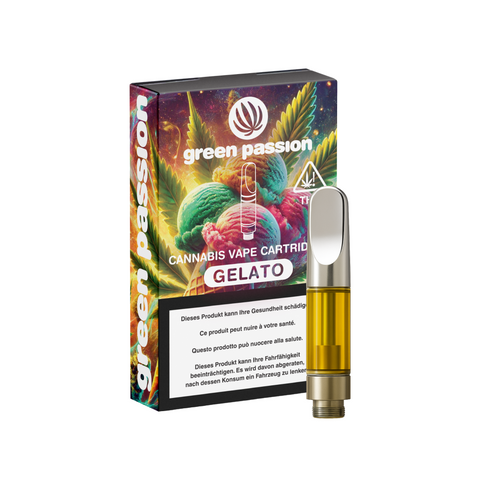
Vaporizers with cartridge systems separate the device and the liquid. The vaporizer stays, the cartridge is swapped out. This lets you change varieties without a new device and gives the coil more technical flexibility, since device performance and liquid formula can be matched. You can find a direct technical comparison of both approaches in the article on Dab vs. Vape .
The technical comparison between these two classes is clear: systems with replaceable cartridges offer more settings, better material quality on the device side, and a longer lifespan.
Changing a vape coil: When is it time?
Signs of a worn-out coil
A coil has a limited lifespan. Depending on usage and material, it lasts between one and three weeks. These signs are typical:
- The aerosol tastes dark or burnt
- The aerosol density visibly decreases
- The device makes a crackling or hissing sound during use
- The flavor profile becomes flatter and less distinct
If you install a new coil, let it soak in the liquid for a few minutes before starting the device. Otherwise, the wick cotton will burn immediately on the first draw.
CBD Vape Technology: What's available on the market
In the CBD sector, vaporizers for concentrates are a growing segment. The basic rule applies everywhere: the device's technology determines the quality of the result. A high-quality concentrate in a budget device with uncontrollable temperature will never reach its full aroma potential, because the boiling points of the terpenes it contains can't be hit precisely.
Good devices let you control the temperature profile precisely. With E-rig setups like the Puffco Peak, it's also worth looking at the chamber size and heating chamber material. Ceramic is considered flavor-neutral, quartz transfers heat faster but has a shorter lifespan.
What really makes a good vaporizer
These are the technical factors that make the difference when buying a vaporizer:
- Heating method: Convection for even results, conduction for more affordable entry-level options, hybrid for both
- Temperature precision: Stepless adjustment accurate to 1 °C separates mid-range from high-end
- Coil or chamber material: Ceramic and titanium for maximum durability and flavor neutrality
- Reservoir material: Borosilicate glass is considered flavor-neutral, plastic can alter aromas
- Battery capacity: Measured in mAh, determines runtime between charges
- Airflow system: Adjustable or fixed, direct or with air cooling, directly affects aerosol volume
Which vaporizer for which use?
An overview of device classes
Entry-level (up to CHF 60): Compact devices like the Yocan Orbit Black (CHF 59) or the VOVA Vaporizer series (CHF 29.90) offer an accessible start. Limited temperature control, simple handling, solid build for the price.
Mid-range (CHF 60 to 150): Devices like the Wolkenkraft FX Mini Night Blue (CHF 119) or the Puffco Pivot (CHF 149) deliver noticeably more precision. Hybrid heating, better materials, app compatibility in newer models.
High-end (from CHF 150): The CRAFTY+ from Storz & Bickel (CHF 249) and the Puffco Peak (CHF 249) represent what's technically possible. Full ceramic chambers, precise temperature control to 1 °C, USB-C, long-term warranties. If you vaporize daily and with high standards, you'll end up here sooner or later.
Buying a vaporizer: The checklist before you buy
Before you buy, it's worth a quick self-check. These questions help when comparing vaporizers:
- How often will I use the device? Occasionally or daily?
- Do I need a portable device or a tabletop device like the Puffco Peak?
- How important is precise temperature control to me?
- Will I vaporize concentrates, blossoms, or liquid?
- What's my realistic budget including accessories and spare parts?
If you answer these five points clearly, you'll find the best vaporizer for your situation much faster.
Care and lifespan
A good vaporizer lasts for years if properly cared for. The most important tool is a simple brush or an alcohol cleaning kit, which most manufacturers include or offer separately. Clean the heating chamber after each use, check glass parts for cracks, don't deep-discharge the battery: with these three basic rules, even a mid-range device will stay in good shape for two to three years without trouble. Storz & Bickel also offers a special dosing capsule magazine for the CRAFTY+, which keeps the chamber clean and makes switching between different materials easier.
Want to know the essentials about vaporizers?
Vaporizers aren't a complicated topic, but maybe a bit misunderstood. Most people buy based on design or price, not on heating method, coil material, or temperature precision. Once you understand why a Kanthal coil doesn't allow for temperature control or why convection gives a more even aroma profile than conduction, you won't buy a device blindly anymore. That was my goal with this guide.
If you want to dive deeper: just write to me directly and let me know which device you're considering. I'll go through the technical specs with you before you spend any money.
The complete vaporizer selection gives you a good overview of all available devices in every category.











Comments (0)
There are no comments for this article. Be the first one to leave a message!