
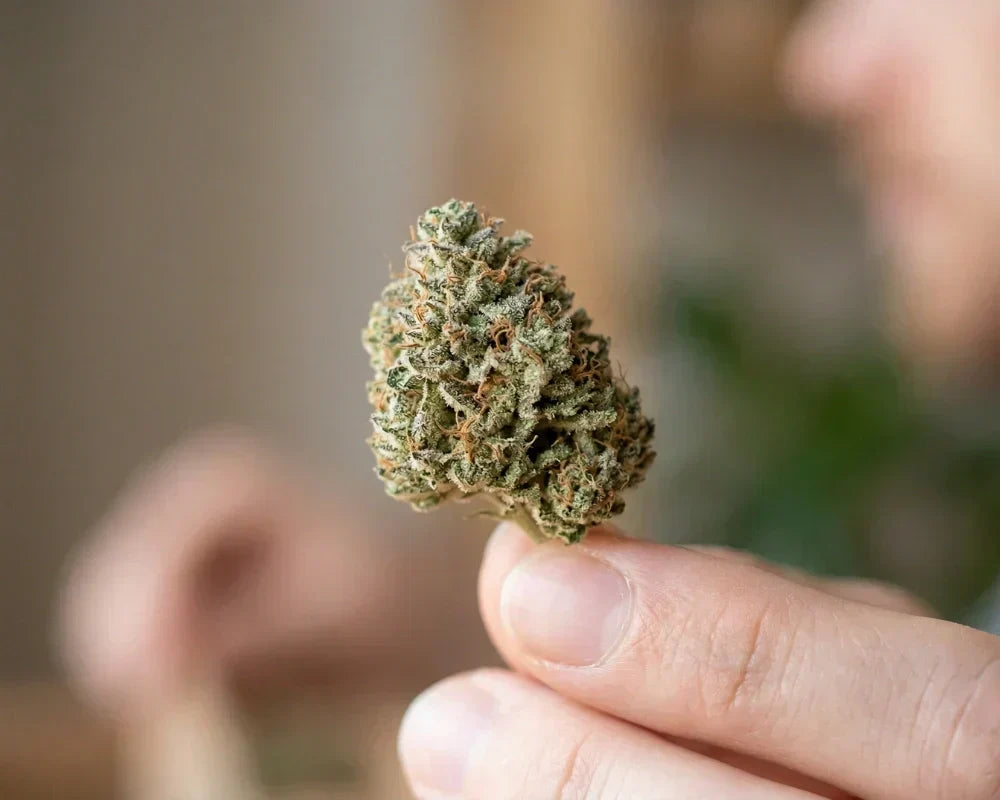
The hemp plant (Cannabis sativa or Cannabis indica) contains over 80 so-called cannabinoids. These have the chemical structure of terpenophenols and are found in the cannabis plant.
In the plant, cannabinoids are mostly present as carboxylic acids. The most important and most studied cannabinoid is THC. It's responsible for the psychoactive effects of cannabis. Another important cannabinoid found in larger amounts in the plant is CBD. Unlike THC, it doesn't have a similar psychoactive effect. It interacts with various receptors and apparently also modulates the psychoactive effects of THC.
The therapeutic potential of CBD for most of the many uses circulating online has not been scientifically proven or is insufficiently supported so far.
Legal basics depending on classification
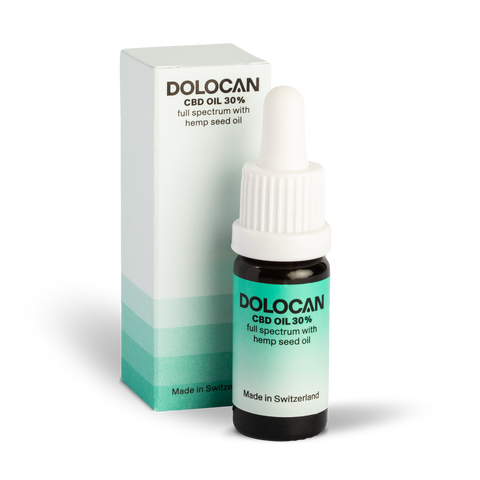
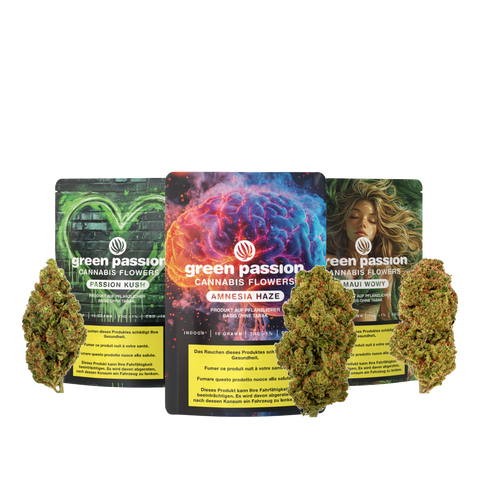
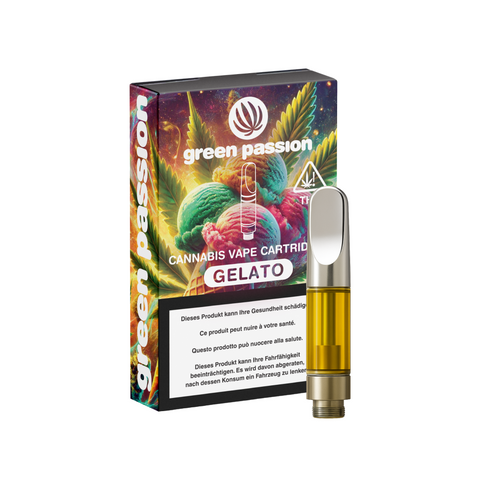
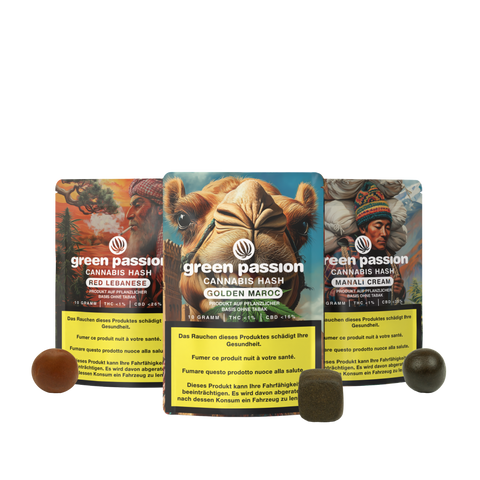
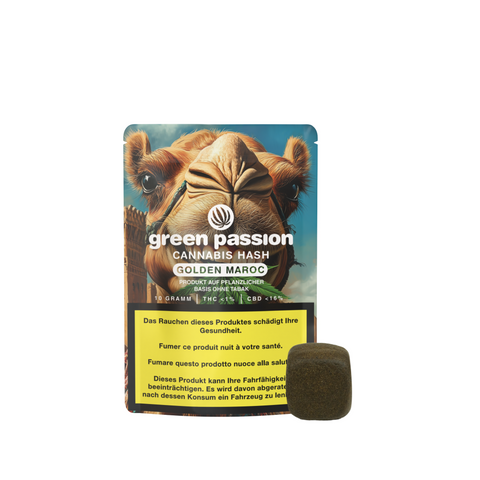
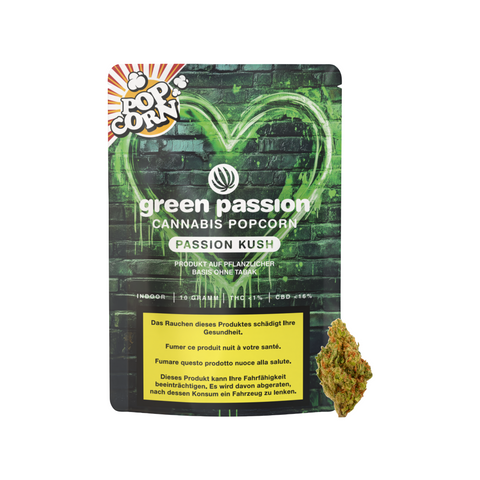
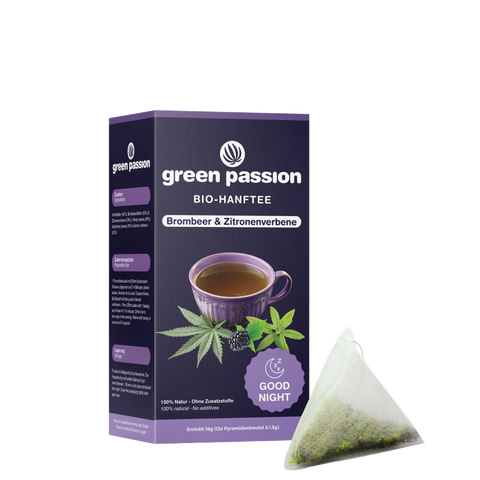
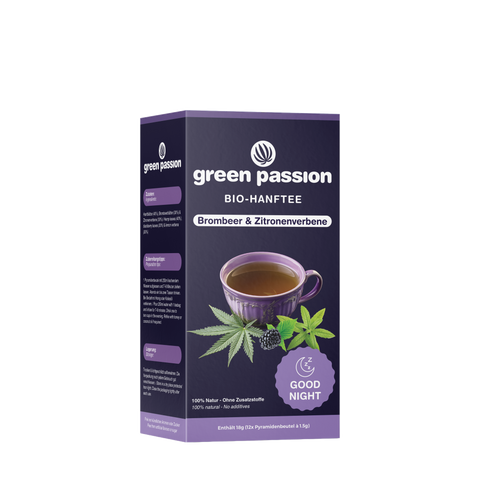
The range of CBD-containing products is broad: it includes raw materials like hemp flowers or powder with high CBD content, extracts in the form of oils or pastes, as well as ready-to-use products like capsules, dietary supplements, e-liquids for e-cigarettes, tobacco substitutes for smoking, aromatic oils, chewing gum, or creams, some of which are offered as care products.
Once a product is assigned to a specific product category, the corresponding Swiss legislation applies. If the legal requirements for a specific intended use are not met, a product cannot be sold in Switzerland and is not allowed on the market.
End products are classified on a case-by-case basis, taking into account all characteristics such as composition, intended use, dosage, etc. Basically, the person putting a product on the market must provide information about its intended use (e.g., medicine, medical device, food, cosmetic, chemical). Depending on the classification, different authorities are responsible for monitoring. In case of doubt, the authority assigns a product to a specific legal framework and takes the necessary measures.
The classification is especially unclear for products that are pure raw materials. Products for which no special law applies (e.g., Therapeutic Products Act [HMG; SR 812.21], Foodstuffs Act [LMG; SR 817.0]) are covered by the Federal Act on Product Safety (PrSG; SR 930.11) (catch-all legislation).
Raw materials for further processing by businesses into end products are subject to the provisions of the Chemicals Act (ChemG; SR 813.1). All other "raw materials" must be marketed under the regulations that correspond to their intended or presumed use.









Comments (0)
There are no comments for this article. Be the first one to leave a message!