
In the blog What forms are CBD products available in? – Part 1 we talked about ready-to-use products, medicines, food, and raw materials. In this article, we're taking a look at cosmetics, consumer goods, chemical products, tobacco substitutes, and hemp production.
Products offered as cosmetics
General requirements for cosmetics:
A cosmetic product (see definition in Art. 53 para. 1 LGV) has to be safe (Art. 15 LMG). The safety of each ingredient has to be proven in a safety report (Art. 57 LGV). Also, any kind of claims about disease-curing, relieving, or preventing effects of cosmetics (like medical or therapeutic properties) are forbidden (Art. 47 para. 3 LGV).
Specific requirements regarding CBD:
Cosmetics can contain CBD that's made synthetically or extracted from different parts of the hemp plant (Cannabis genus). In our CBD shop you'll find cosmetics with natural CBD.
– CBD that's made synthetically isn't specifically regulated. But the general legal requirements for cosmetics mentioned above still apply.
For using parts of the hemp plant in cosmetics, here's what applies: The hemp plant is regulated under Article 54 paragraph 1 LGV via the list of banned substances in Annex II of Regulation (EC) No. 1223/2009 on cosmetic products, entry No. 306: "Narcotics, natural and synthetic: Any substance listed in Tables I and II of the Single Convention on Narcotic Drugs signed in New York on March 30, 1961." In Table I of the Single Convention, "cannabis, cannabis resin, cannabis extracts, and cannabis tinctures" are listed. According to the definition, "cannabis" means the flowering or fruiting tops of the hemp plant (except the seeds and leaves not mixed with the tops), from which the resin hasn't been extracted, no matter what they're used for.
The use of "cannabis" (non-defatted flowers and fruiting tops) and products made from them (like hemp extracts, CBD oil) is banned in cosmetics. Seeds and leaves not mixed with flowers or fruiting tops are excluded from the term "cannabis" and can be used in cosmetics. "Cannabis resin" means the separated resin from the hemp plant, raw or purified. The definition of "cannabis resin" covers the whole plant, including the leaves. Resin from the hemp plant (from any part) can't be used in cosmetics or for making CBD (see Annex 5 of the Narcotics Directory Ordinance; BetmVV-EDI; SR 812.121.11).
This rule is justified because the resin of the hemp plant is rich in cannabinoids, and so are its CBD extracts or CBD drops. Plus, the general legal requirements for cosmetics mentioned above still apply. In any case, it's a good idea to ask for info about how the CBD was extracted (which part of the hemp plant was used and the production process, if the CBD comes from the plant) and about the product's safety (CBD and THC content). A product with a total THC content of at least 1.0% falls under narcotics law.
Products offered as consumer goods
(e.g. CBD liquids for e-cigarettes)
In e-cigarette shops, you can sometimes find CBD liquids. These are classified as consumer goods. According to Article 5 LMG, these are items that come into contact with mucous membranes. Article 61 LGV says that items that come into contact with the mouth's mucous membranes during normal or expected use can only release substances in amounts that are safe for your health.
It's forbidden to add substances that give the products pharmacological effects (Art. 61 para. 2 LGV). So, adding CBD to e-cigarette liquids in a pharmacologically active dose isn't allowed. This also goes for any claims that make it look like it's a medicine.
Refill containers for e-cigarettes are subject to chemical law. That means the distributor has to do self-monitoring and fulfill duties like labeling and registering the product.
Products offered as chemicals
Chemical regulations mainly govern the packaging and labeling of chemical products. Before placing chemical products on the market, the responsible manufacturer is required to carry out self-inspection. However, if during self-inspection the presentation of a product suggests or implies uses that would fall under other legal regulations, its marketability must be assessed under those regulations (see Art. 1 para. 5 letter c ChemV). All our CBD drops and CBD oils are registered as chemicals and are not intended for consumption.
Example: CBD-containing "fragrance oil" is sold in a cartridge for e-cigarettes: Here, food law/regulations for consumer goods and not chemical law form the basis for assessing marketability (see previous section). For practical marketing, such cartridges that are marketable must be labeled and reported according to chemical law requirements. Other examples could be CBD oils and cannabis tinctures that are sold without a prescription but are intended for oral use with an expected pharmacological effect, in which case medicinal product law would apply.
If the product falls under the ChemV regulations, the manufacturer must assess whether the chemical product could endanger human life or health, or the environment. For this purpose, it must be classified, packaged, and labeled according to the Chemical Ordinance (ChemV; SR 813.11), and a safety data sheet must be prepared. If the presentation does not suggest any other use, CBD-containing products like CBD oil (aroma oil) can legally be placed on the market under chemical law regulations.
Products offered as tobacco substitutes
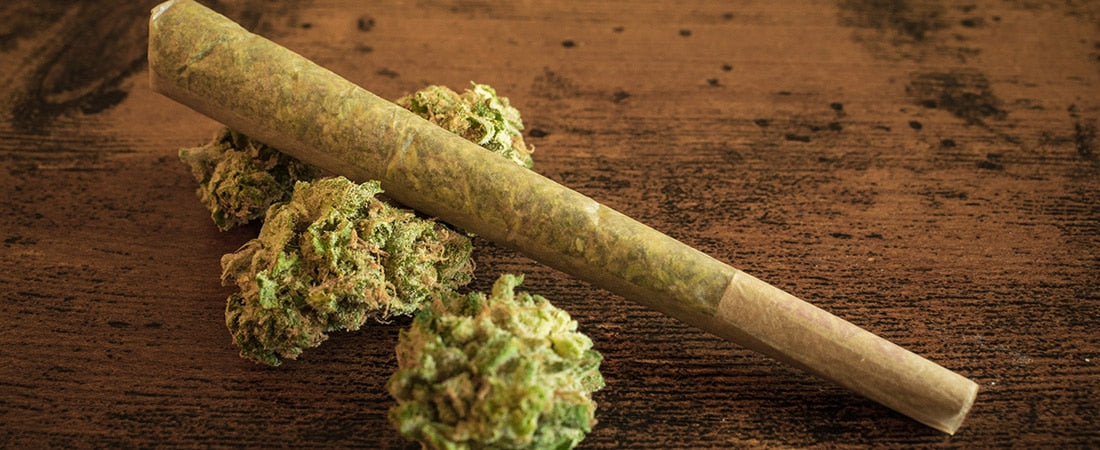
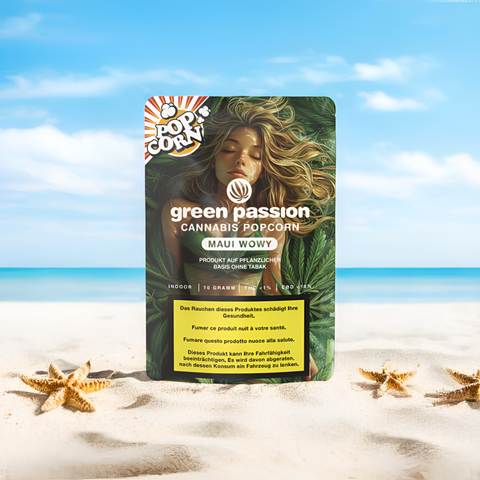
CBD flowers with a total THC content of less than 1.0% are considered non-psychoactive and can also be sold as tobacco substitutes for smoking. In food law, smoked tobacco substitutes are regulated in the Tobacco Ordinance (TabV; SR 817.06). These rules still apply, even though the Federal Supreme Court has determined that CBD hemp products are not tobacco substitutes within the meaning of the Tobacco Tax Act. The requirements of food law continue to apply. The seller is required to carry out self-inspection (Art. 73 LMG in conjunction with Art. 23 of the old Food Act of October 9, 1992) and must notify the BAG before making the products available on the market. The relevant evidence and documents must be submitted to the BAG for this. Any health-related claims for tobacco products are prohibited (Art. 17 para. 2 TabV). The responsible enforcement authorities in the cantons are in charge of checks.
At the moment, it's unclear whether using hemp products with low THC content can affect your ability to drive. Also, due to stricter regulations and different THC limits for hemp products, consumers risk criminal prosecution abroad.
Agricultural production of hemp, hemp seeds, and planting material
As of January 1, 2021, agricultural production of hemp that is not considered a narcotic is allowed. All seed law regulations for the production and marketing of hemp seeds and planting material have been lifted. For agricultural production of hemp, the regulations on plant health and direct payments must be observed. If the hemp is to be used as animal feed, feed law applies.
Sources:




Comments (0)
There are no comments for this article. Be the first one to leave a message!