
The Discovery of Hemp
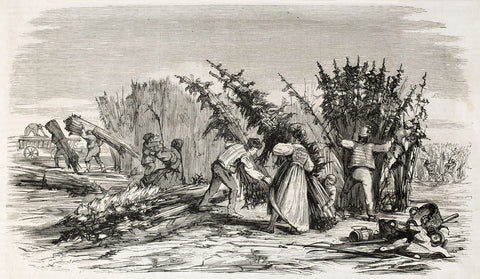
According to legend, the first use of hemp dates back to ancient China in 2800 BC, with the mythical Emperor Shen Nun. He supposedly taught his people to turn hemp plants into clothing because they were so strong and grew so abundantly. A Chinese tomb also revealed that cannabis was a staple food. The accidental discovery of a Tang Dynasty (618-907) soldier's burial site led researchers to believe the plant was an important food crop. The presence of seeds also suggested cannabis was more than just a food source.
After the ancient Chinese dynasties mastered the use of hemp for clothing, ropes, and even medicine, hemp spread from there all around the world. Expansion and exploration then further drove the spread of hemp. Ancient mounted warriors, the Scythians, traded along the Silk Road around 800 BC and brought hemp to Europe. Its versatility and strength made hemp extremely popular with naval fleets, who used hemp sails, while people and armies wore hemp all year round.
More recently, hemp was banned and global awareness faded, until it made a comeback as a wonderfully soft and sustainable alternative to fast fashion. Check out hemp products in our CBD shop.
Hemp in Early Europe
In early Europe (50 BC – 1000 AD), hemp was super popular among kings, citizens, farmers, tailors, naval commanders, and even chefs. Thanks to its versatility, easy cultivation, and fast yield, the plant became a staple of everyday life. It grew with just rainwater and didn’t need any chemicals or care.
Besides being used for medicine, food, fabric for sails, ropes, clothing, and food, hemp was also used for bows and arrows. This made the plant economically very important.
Once processed, it was a phenomenally strong material that could withstand almost anything—even lifting giant stones for the Egyptian pyramids.
Expansion at Sea
Because hemp sails were extremely strong and salt-resistant, fleets were equipped with hemp sails and ropes. This helped spread hemp seeds and made global trade easier for empires.
Hemp sails also made it possible for Christopher Columbus to travel to the New World in 1492, where hemp was then introduced to America. At that time, hemp was very important in England, as the English navy depended on it. So much so that King Henry VIII signed a law requiring all farmers to grow a certain amount of hemp each year. Because of its importance, place names referencing hemp popped up all over the country. One example is the county of Hempshire—now known as Hampshire.
Hemp Disappears from Daily Life
In the 18th century, an estimated 80% of the world’s population wore hemp clothing—but not for much longer. Processing hemp into fabric was extremely labor-intensive. It took days to turn the fibers into finer and finer threads. Since cotton was easier to process, it took over in the 19th century.
On top of that, oil and steel companies feared hemp could become a competing resource as a biofuel and as an even stronger material than steel. Newspaper tycoons also owned huge timber stocks.

The Marijuana Tax Act of 1937
These big corporations definitely had a huge influence on the US government and pushed for the passing of the Marijuana Tax Act of 1937. This law made growing hemp pointless because it became so expensive that farmers stopped bothering. So, for the next 80 years, hemp disappeared from store shelves, from public awareness, and from our closets.
The recent history of hemp is heavily shaped by the US, since they set these rules and the stigma spread internationally. Because hemp is related to cannabis, the unfair prejudice crept in worldwide—even though you can’t smoke hemp the way you can cannabis.
While cannabis is nothing more than a hemp plant, “marijuana” refers only to the dried, resinous flowers and the leaves close to the flowers of the female hemp plant. Marijuana is used both as a recreational drug and as a medicine.
The Effects of the Marijuana Tax Act
The Marijuana Tax Act of 1937 was the first federal law in the US to criminalize marijuana nationwide. The law imposed an excise tax on the sale, possession, or transfer of all hemp products, effectively criminalizing all industrial uses of the plant.
Fifty-eight-year-old farmer Samuel Caldwell was the first person prosecuted under the law. He was arrested on October 2, 1937, just one day after the law was passed, for selling marijuana. Caldwell was sentenced to four years of hard labor.
The History of Cannabis in Medicine and the Shift Toward Legalization in America
As the history of hemp shows, most cultures didn’t grow the plant to get high, but used it for daily life and as an herbal remedy.
These early hemp plants had very low levels of tetrahydrocannabinol (THC), the cannabinoid responsible for the mind-altering effects of marijuana.
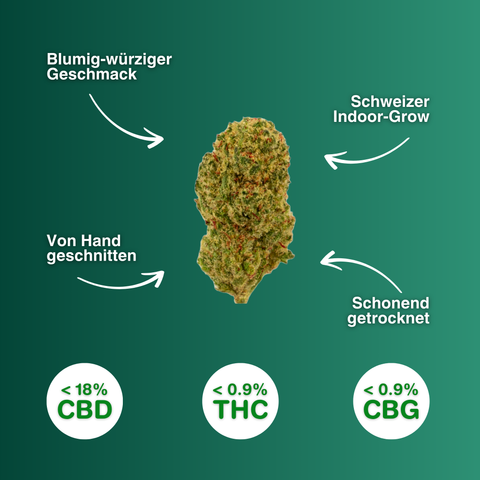
However, there’s evidence that ancient cultures knew about the psychoactive properties of the cannabis plant. They may have grown certain strains to get higher THC levels for religious ceremonies or healing practices. For example, burnt cannabis seeds have been found in the tombs of shamans in China and Siberia dating back to 500 BC. In our shop, you’ll find non-psychoactive CBD flowers.
From the “Controlled Substances Act” to Marijuana Legalization in America
As part of the "War on Drugs," the Controlled Substances Act of 1970, signed by President Richard Nixon, repealed the Marijuana Tax Act and classified marijuana—along with heroin, LSD, and ecstasy—as a Schedule I drug. Substances on this list are classified as having no medical use and a high potential for abuse.
In 1972, the National Commission on Marijuana and Drug Abuse (also known as the Shafer Commission) published a report titled "Marijuana: A Signal of Misunderstanding." The report recommended "partial prohibition" and lower penalties for possession of small amounts of marijuana. However, Nixon and other government officials ignored the report's findings.
California was the first state to legalize marijuana for medical use by people with serious or chronic illnesses with the Compassionate Use Act of 1996. Washington, D.C., 29 states, and the U.S. territories of Guam and Puerto Rico allow cannabis use for limited medical purposes.
As of June 2019, eleven states and Washington, D.C., have legalized marijuana for recreational use. Colorado and Washington were the first to do so in 2012. Adults in Alaska, California, Illinois, Maine, Massachusetts, Michigan, Nevada, Vermont, and Oregon can also smoke without a prescription.
However, under federal law, cannabis is still illegal, and the changing legal status of marijuana remains a topic of controversy in the U.S. and around the world.

Hemp Today
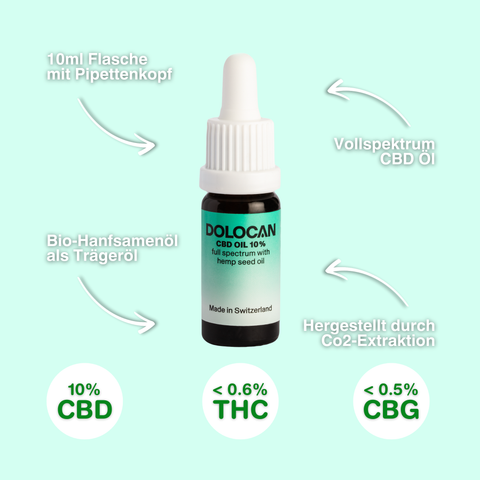
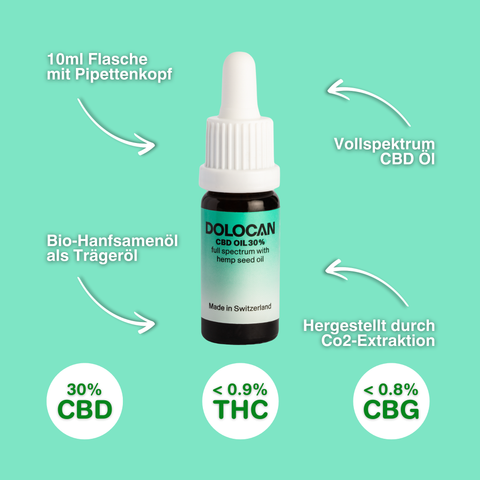
With the shift in global awareness, hemp is making a comeback and the benefits of the plant are becoming more and more recognized. Besides being a newly celebrated superfood, hemp is also used as a fabric—soft like linen and with a similar look, but with a much more interesting history. Today in Switzerland, hemp plants are used to make CBD oil or cosmetics.
Recreational Herbs
The ancient Greek historian Herodotus described the Scythians—a large group of Iranian nomads in Central Asia—who inhaled the smoke from smoldering cannabis seeds and flowers to get high.
Hashish (a purified form of cannabis smoked in a pipe) became widespread throughout the Middle East and parts of Asia after about 800 AD. Its popularity grew as Islam spread through the region. The Quran banned alcohol and some other intoxicating substances, but not cannabis specifically.
In the United States, marijuana wasn't widely used for recreational purposes until the early 1900s. Immigrants from Mexico, who came to the U.S. during the turbulent years of the Mexican Revolution, introduced recreational marijuana use to American culture.
Massive unemployment and social unrest during the Great Depression unfortunately fueled not just resentment toward Mexican immigrants but also fear of "the evil weed." Because of this—and in line with the Prohibition-era attitude toward all intoxicants—29 states had banned cannabis by 1931.
The Effects of Marijuana
Both the mental and physical side effects of marijuana are partly responsible for its controversial legal status. Short-term effects can include euphoria or other mood changes, heightened senses, and increased appetite.
While many people feel a pleasant "high" after using marijuana, others may experience anxiety, fear, or panic. Negative effects are more likely if someone uses too much or the cannabis is unexpectedly strong.
The THC content in marijuana—the chemical responsible for the drug's potency—has increased dramatically over the past few decades. In the mid-1990s, the average THC content of seized weed was about 4 percent. By 2014, it was around 12 percent, with some strains reaching up to 37 percent THC.
The Properties of Medical Marijuana
In the 1830s, Sir William Brooke O’Shaughnessy, an Irish doctor who studied in India, found that cannabis extracts could ease stomach pain and vomiting in people suffering from cholera.
By the late 19th century, cannabis extracts were sold in pharmacies and doctors' offices throughout Europe and the United States to treat stomach problems and other ailments.
Later, scientists discovered that THC is the source of marijuana's medical properties. As the psychoactive compound responsible for marijuana's mind-altering effects, THC also interacts with parts of the brain that can help relieve nausea and boost appetite.
The U.S. Food and Drug Administration has even approved two THC-based medications in pill form, Marinol and Syndros, which are used to treat nausea from cancer chemotherapy and appetite loss in AIDS patients.






Comments (0)
There are no comments for this article. Be the first one to leave a message!