
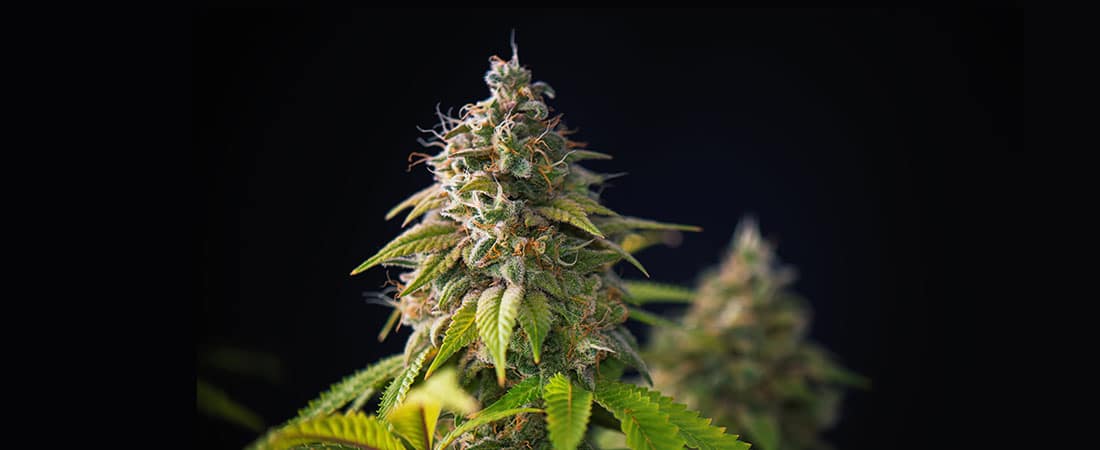
CBD products have become more and more popular in recent years. So, the question comes up: can their main active ingredient – cannabidiol (CBD) – be addictive? The first scientific studies don’t point to any addiction potential. On the contrary, CBD can even help when quitting other addictive substances, including THC-rich marijuana. You can find CBD oil and flowers and other CBD products in our online shop.
CBD Safety and Effectiveness
Cannabidiol (CBD) is one of over 400 compounds in the Cannabis Sativa plant – just like the ‘high’-causing tetrahydrocannabinol (THC). Since both come from the same plant, it’s no surprise that people wonder if CBD could be addictive. In 2018, the World Health Organization (WHO) published a comprehensive report on the safety and effectiveness of CBD. This WHO report concluded that CBD has a high safety profile and is well tolerated by humans even at doses up to 1,500 mg per day. More controlled human studies also show that using CBD flowers isn’t linked to addiction risk. A 2016 study also showed that, compared to active THC, CBD doesn’t affect heart rate, blood pressure, or cognitive functions. So we should ask ourselves: Why doesn’t CBD have addiction potential, and what can we learn from this when it comes to fighting addiction in general?
How does addiction happen?
Addiction is a complex psychological and physical reaction to certain triggers, which can lead to changes in brain structure and function. Science describes three main factors that influence this reaction: pleasure triggers, habitual behavior, and long-term use of certain substances. Pleasure triggers create a feeling of euphoria, caused by a rush of dopamine, and are usually linked to things like caffeine, nicotine, or amphetamines. CBD flowers don’t have intoxicating effects and aren’t pleasure triggers, since they don’t interact with the brain’s dopamine system. Instead, CBD interacts with the body’s own endocannabinoid system, which helps other organs work properly and keeps the body in homeostasis – a state of chemical balance. As such, CBD works with molecules and helps the brain use serotonin more efficiently. The link between dopamine triggers and addiction risk also comes from the fact that dopamine interacts with glutamate – another important neurotransmitter – and creates associations between feelings of pleasure and the activities that cause them. With CBD, the brain doesn’t “learn” these addictive behaviors. CBD users also don’t develop a dopamine tolerance to the substance. Plus, it’s impossible to overdose on CBD, since there are no cannabinoid receptors in the part of the brain that controls breathing.

CBD for fighting addiction?
CBD could even be helpful for people who want to quit addictive substances like nicotine, THC, or even heroin. Research shows that CBD can be an effective tool for treating marijuana dependence, since it eases withdrawal symptoms. A similar effect has been seen with nicotine addiction. CBD products can reduce the number of cigarettes smoked by nicotine users by 40%. CBD can even ease withdrawal symptoms and anxiety for people trying to quit stronger substances like heroin. In fact, CBD can help with both physical dependencies and habit formation with different activities and substances, since it lowers sensitivity to rewarding triggers.
Source:
https://cfah.org/is-cbd-addictive/
https://www.medicalnewstoday.com/articles/is-cbd-addictive
https://www.321cbd.com/de/blog/7-ist-cbd-suchtig-machend
https://www.mdr.de/wissen/cbd-cannabidiol-gegen-thc-cannabis-sucht-100.html




Comments (0)
There are no comments for this article. Be the first one to leave a message!