
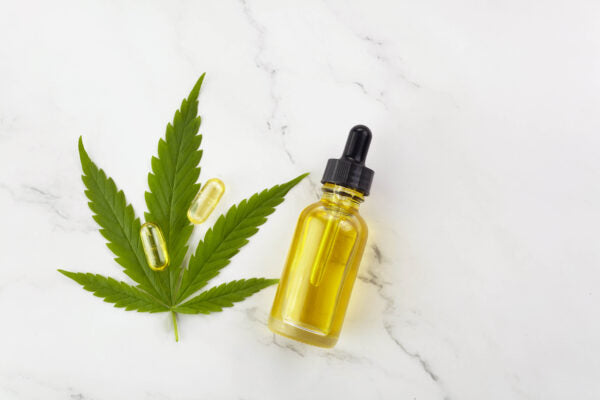
Hemp products with less than 1% THC aren't covered by the Narcotics Act – so they're not regulated. But they still have to meet different legal requirements depending on how they're used. There are strict rules for products containing cannabidiol (CBD) that are meant to be taken orally.
The hemp plant contains over 100 different cannabinoids, including the psychoactive tetrahydrocannabinol (THC) and cannabidiol (CBD). Unlike THC, CBD isn't regulated by the Narcotics Act because it doesn't have a psychotropic effect. That's why CBD hemp is freely available and used in lots of ways: CBD-rich flowers are sold as tobacco substitutes for smoking, and CBD extracted from hemp plants is added to cosmetics and scented oils – or used as an approved medicine, for example, to treat seizures.
Even though CBD products for oral use are pretty popular, a lot of these products don't meet the legal requirements for market approval. They can only be sold as food or as medicine. But foods with CBD – unlike, say, hemp seed oil – are considered novel foods. So far, not a single CBD product has been approved as a so-called novel food by the Federal Food Safety and Veterinary Office (BLV) or by the European Union. The reason is that the safety of CBD in food hasn't been proven enough yet.
There are also strict pharmaceutical regulations for approving CBD as a medicine, especially regarding safety and effectiveness. These medicines are usually expensive. It's easier to market CBD products as chemicals, basically as raw materials without a specific use. But in that case, they're not meant to be consumed.
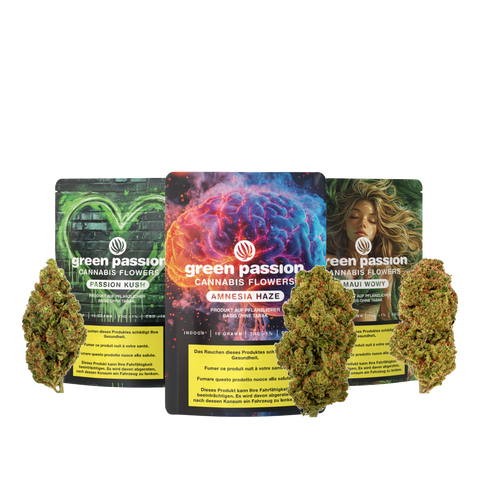
Still, lots of people use CBD oils and extracts to help them sleep or to relax (taking CBD drops). To prevent this kind of improper use, CBD oils can now only be sold in a form that's not suitable for consumption. At the same time, this means that people turn to CBD-rich tobacco substitutes because they're easier to get.
Even though CBD is approved in some countries for treating therapy-resistant epilepsy and spastic paralysis, for the reasons mentioned above, it's usually not allowed to make health claims for non-medical CBD oils, like saying they relieve pain, reduce anxiety, are antiepileptic, antipsychotic, sedative, or neuroprotective.
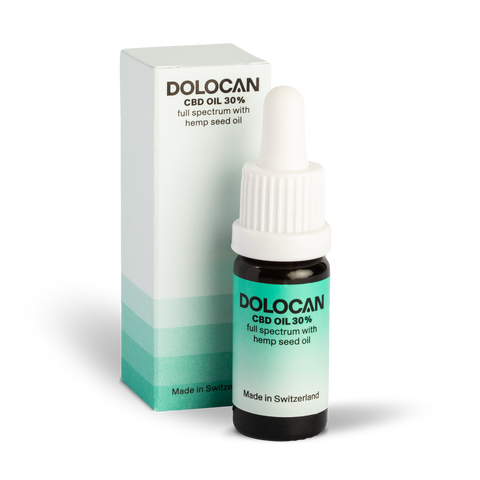
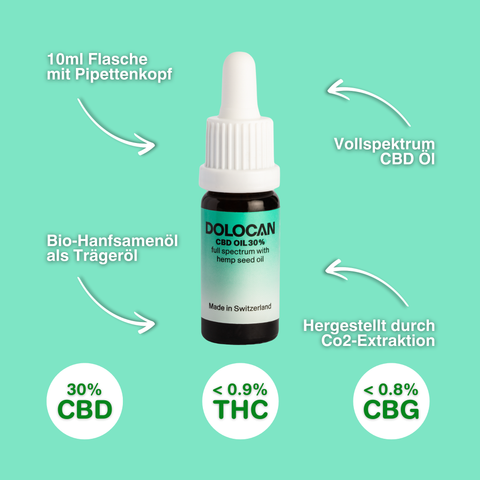
Right now, non-medical CBD oils or CBD drops in Switzerland are only sold as cosmetics for external use. In the online shop of Greenpassion, you can get these products under the DOLOCAN brand in three versions, with either 10%, 20%, or 30% CBD.
Source: Spectra, Issue No. 139, Dec. 2023









Comments (0)
There are no comments for this article. Be the first one to leave a message!