
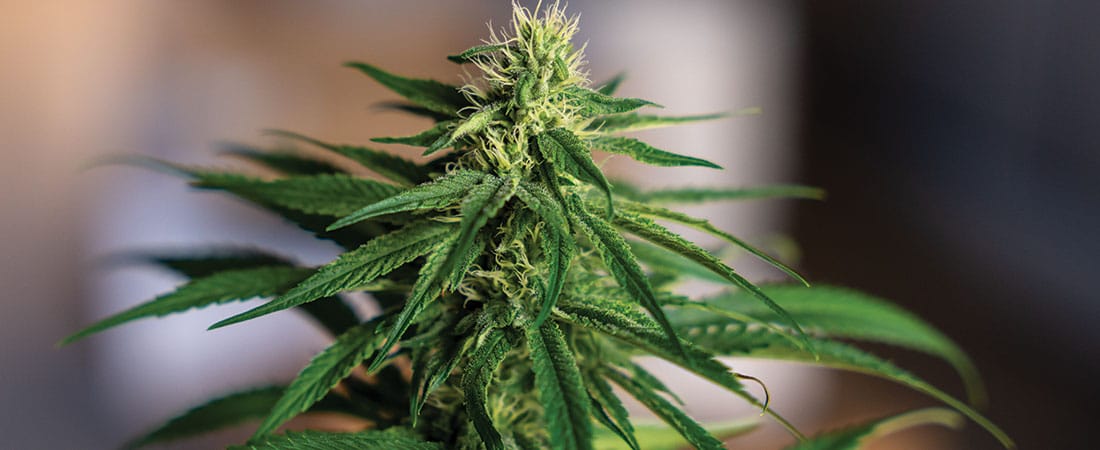
CBD is taking over Switzerland. Legal weed is bringing record profits to sellers and frustration to the police. What actually is CBD and how does it work? The most important questions and answers about CBD weed.
1. What is CBD?
Students in sweatpants, businessmen in suits, and 70-year-old grandmas – everyone wants to try the "legal weed." Specialized shops are seeing record numbers, customers are happy, and the authorities are overwhelmed. So what exactly is CBD?
CBD stands for cannabidiol, a chemical compound from the cannabinoid class. CBD and THC are very similar in structure and have the same chemical formula.
You can't tell CBD and THC apart just by looking at them. You can barely tell the difference by smell either. However, CBD has slight differences in its molecular structure and that's why it's not psychoactive and doesn't affect the central nervous system.
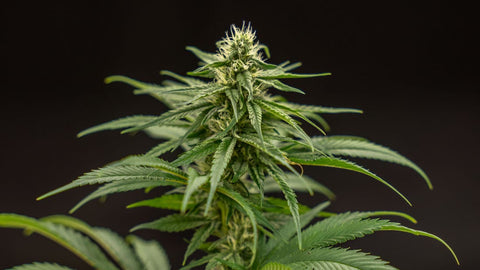
Cannabis that's legally sold usually contains between ten and twenty percent CBD and a residual THC content of 0.3 to 0.7 percent.
2. Does CBD get you high?
Cannabidiol can have a lot of positive effects. There are studies that suggest these effects, says Barbara Broers, addiction expert at Geneva University Hospital, but the effects of CBD haven't been researched enough yet.
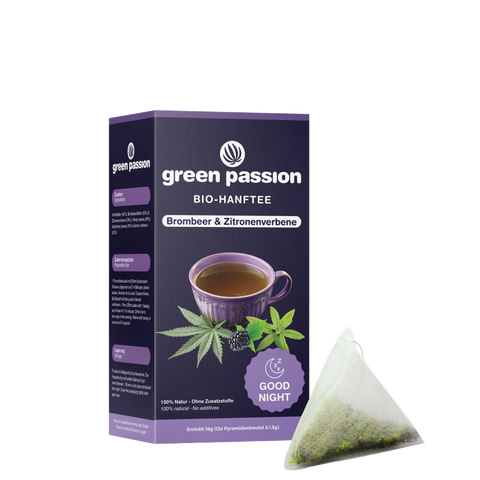
"We still don't know what dose someone gets when they smoke weed with five or ten percent CBD. This basic data is missing," says Barbara Broers. CBD is currently not approved as an active ingredient in medicines in Switzerland. But the CBD weed business is booming. In specialized hemp shops and online stores, customers can buy a wide range of legal hemp products.
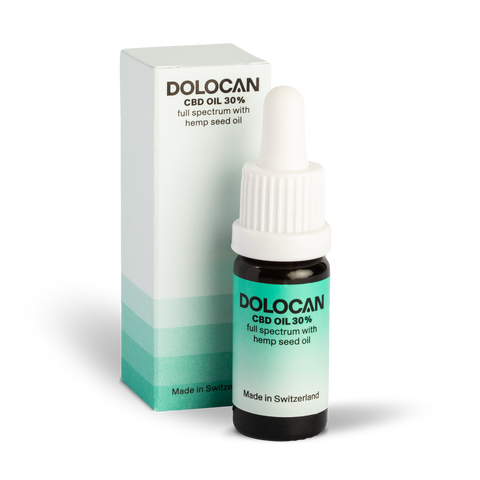
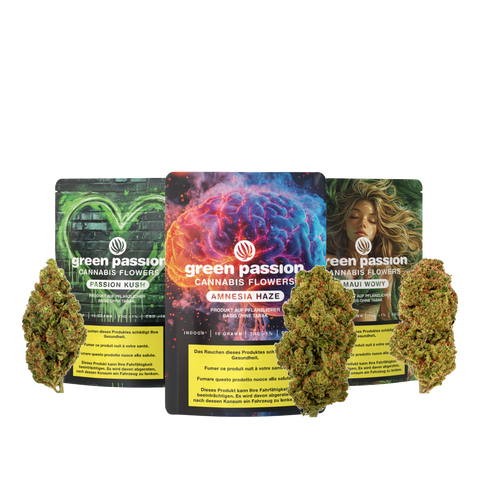
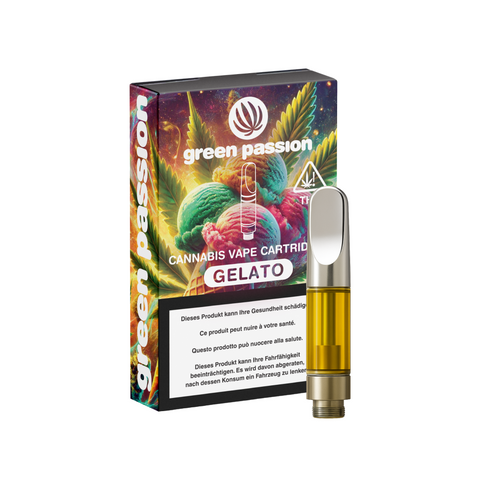
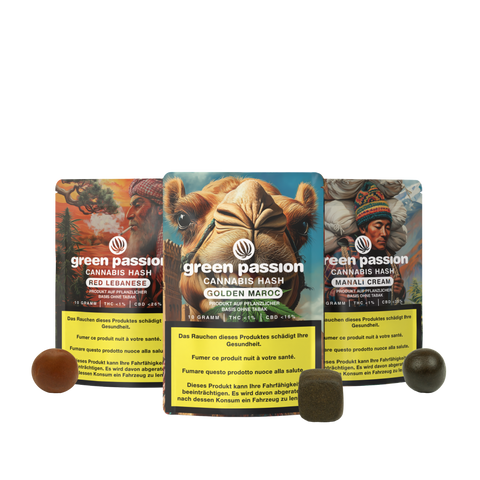
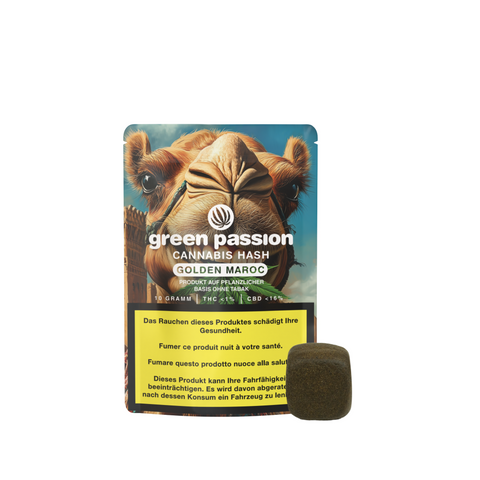
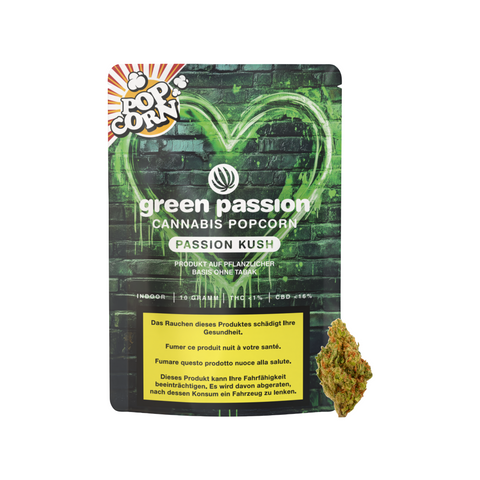
From drops and e-liquid to creams. But the most popular are hemp flowers for smoking. Price: 5 to 15 francs per gram.
"Kassensturz," together with the French-speaking Swiss consumer show "A Bon Entendeur," had eleven legal hemp products tested for their CBD and THC content. The THC content in all products in the sample is under one percent, so they're legal.
The CBD content is usually listed on the packaging. In the sample, it's between 10 and 23 percent. But customers can't really rely on these numbers.
3. If CBD doesn't get you high, why smoke it?
The medical effects of CBD aren't proven at this point. Still, scientists and doctors suspect that legal weed could be used as a medicine for many illnesses, but there just aren't enough studies yet.
In Switzerland, for legal reasons, you can't make any specific health claims – CBD is only sold as a tobacco substitute or raw material. That's why sellers and producers distance themselves from medical claims and ask customers to make their own experiences.
4. Is CBD dangerous?
There's still not enough info about possible risks, says Markus Meury from Addiction Switzerland. "We're seeing a boom in CBD weed, but we can't say much about risks yet. Basically, though, smoking is always unhealthy because of the carcinogenic particles from burning." Who uses CBD – experienced hash smokers or newbies?
"Even though CBD doesn't get you high, it could help cannabis addicts quit. But it could just as well be a gateway to marijuana," says Meury.
5. Is CBD really legal?
Since CBD isn't intoxicating, it's not covered by the narcotics law and is legal. Since 2011, there's also a rule that cannabis with less than one percent THC isn't covered by narcotics law and is also legal.
In Switzerland, there are only four legal CBD tobacco substitutes. The rest of the CBD products are sold as raw materials and are actually in a legal gray area. Technically, CBD raw materials aren't meant to be consumed, but a lot of people smoke them anyway.
Unlike tobacco substitutes, CBD raw materials are exempt from tobacco tax. Swissmedic, the Swiss Agency for Therapeutic Products, says: "You often find CBD-containing raw materials for sale without a specified purpose. They can't be clearly classified, since different products with different uses can be made from them, which are then subject to different laws." – as of February 27, 2017
The medical effects of CBD aren't proven at this point. Still, scientists and doctors suspect that legal weed could be used as a medicine for many illnesses, but right now there just aren't enough studies about it.
In Switzerland, for legal reasons, you can't make any specific health claims – CBD is only sold as a tobacco substitute or raw material. That's why sellers and producers distance themselves from medical claims and ask customers to make their own experiences.
6. What happens during a police check?
In theory, nothing, since the weed is legal. The problem is, you can't tell by looking whether it's legal or illegal weed. So if you get stopped by the police, the check goes the same way as with illegal weed.
The cannabis gets confiscated and analyzed. If the THC content is under one percent, you get your weed back. But the lab test is slow and expensive, so lots of cops are calling for a quick test on the spot.
7. Who produces CBD?
There are several producers of CBD weed in Switzerland, and the trend is growing fast. The market is new and demand is high. That's why a lot of people describe the current situation as the "Wild West" or a "gold rush." In theory, anyone can grow their own CBD weed at home.
Despite huge sales numbers, CBD weed producers still have worries. As a tobacco substitute, CBD is taxed the same as cigarettes (25 percent tobacco tax plus VAT). Plus, the packaging carries the same warning label as cigarettes, even though no harmful effects of CBD have been proven.
8. Is CBD the salvation for Swiss farmers?
"Hemp is very easy to take care of, pretty undemanding, and grows even at higher altitudes. Hemp production could definitely be interesting for some farmers – but it'll remain a niche," says the Swiss Farmers' Association to watson.
Experts see it the same way. “Hemp is definitely a lucrative business and could help Swiss farmers survive without government subsidies – but there are other problems. Because the plant has a bad reputation, the social pressure is too high for many farmers. On top of that, there are high security costs for guarding the hemp fields. Growing hemp is also interesting from an ecological perspective.
A producer who grows hemp in Zurich and works with ETH says: “Hemp regenerates damaged farmland, like land destroyed by tobacco, really quickly and is supposed to convert more CO2 into oxygen than any other plant.”
9. Will regular weed be legalized soon?
Sven Schendekehl from the “Legalize it!” association, which campaigns for cannabis legalization, doesn’t see a trend reversal, but actually the opposite. “There’s absolutely no sign from the government that cannabis will be legalized.
Statistically, repression actually gets bigger and worse every year,” says Schendekehl. He’s also critical of the supposed relaxation and exceptions for small amounts of cannabis: “The ten-gram limit is a joke and isn’t even applied by many cantons. In 2015, almost 50,000 people were reported and fined for actions related to personal use.
On top of that, over 10,000 more people were reported for dealing.” Source: watson.ch (07.03.2017)









Comments (0)
There are no comments for this article. Be the first one to leave a message!