
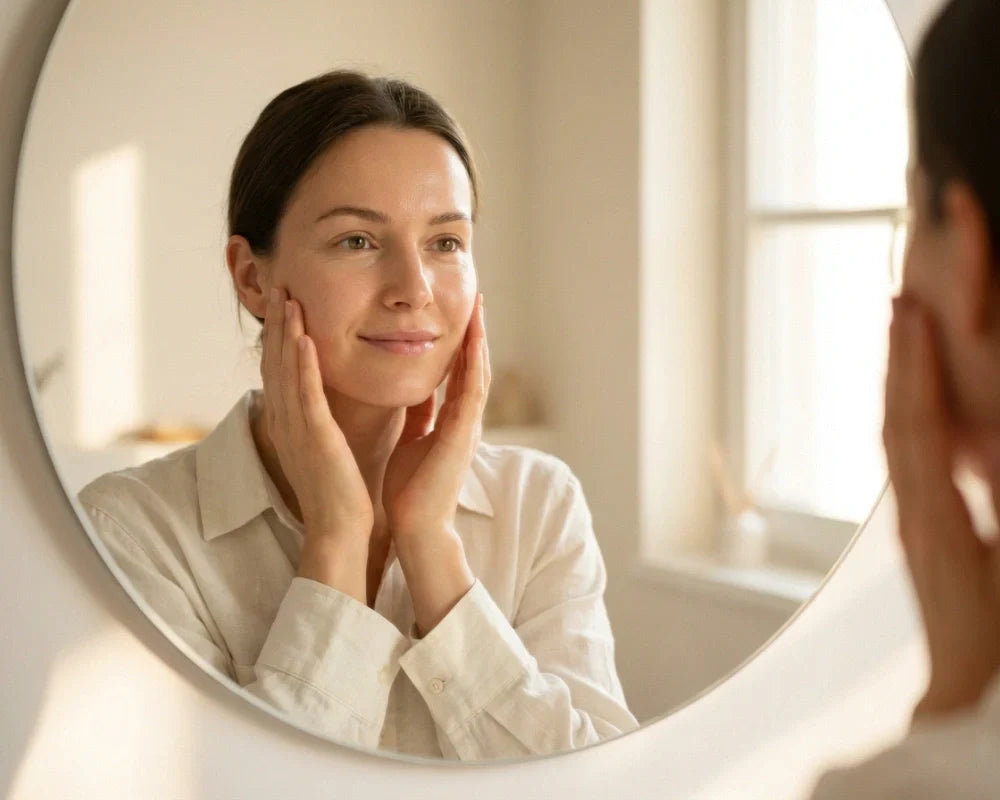
You’re standing in front of the mirror in the morning. Three products in your hand, no idea what goes on first. CBD skincare doesn’t make it any easier—at least not until you know how it works.
Skincare with CBD cosmetics isn’t automatic. But if you know a few basics, you’ll get a lot more out of it than if you just slap it on and hope for the best. That’s exactly what this is about.
Spoiler: CBD works best in the evening. Store it cool and dark, not in the bathroom. A pea-sized amount is enough. And patience: you’ll need at least two weeks to see the first results.
1. Morning, evening, or both?
Evening is the most effective time. While you sleep, your skin regenerates, blood flow increases, and active ingredients are absorbed more deeply. CBD can work undisturbed at night, without competing with sunscreen, makeup, or environmental factors.
CBD care still makes sense in the morning, for example as a light moisturizer to calm sensitive skin for the day. Important: CBD doesn’t have sun protection. Always apply sunscreen afterwards.
If you want to combine both:
- Morning: light CBD cream or serum, then SPF.
- Evening: after cleansing, use a richer CBD cream or an oil on slightly damp skin.
- Let each step absorb for a minute or two in between.
2. What really makes a difference when applying
CBD products can do more if you get a few simple things right.
- Clean skin first: Residue from sebum, sunscreen, or old products blocks absorption. Always cleanse first.
- Less than you think: A pea-sized amount is enough for face and neck. CBD products are concentrated—using more doesn’t help.
- Pat in, don’t rub: Gently tapping is easier on sensitive skin and noticeably improves absorption.
- Follow the right order: Thin liquids first, thicker ones after. So, serum before cream, cream before oil.
3. Storing it right: How to keep CBD effective
CBD is sensitive to light and heat. Storing it wrong breaks down the active ingredient long before the best-before date.
- Not in the bathroom: Steam, temperature changes, and humidity speed up breakdown. A cool, dark cupboard is better.
- Close the lid right away: Oxygen oxidizes CBD. Always close it after use.
- Fridge: okay for oils, but creams can change texture. A cool cupboard is better than the fridge.
- Opened products: Use within 6 to 12 months, even if the PAO date says longer.
4. When it’s time to throw a product out
Cosmetics don’t have a strict expiration date, but they can go bad. With CBD products, this often goes unnoticed because the active ingredient breaks down without visible signs.
- Smell changes: Rancid, sour, or oddly chemical. Fresh CBD products smell herbal or neutral.
- Texture or color is off: Clumping, separation of water and oil, discoloration. The emulsion is no longer stable.
- Check the PAO symbol: The open jar symbol on the packaging with a number (e.g. "12M") shows how many months the product is good for after opening.
- Skin suddenly reacts differently: Redness or itching that wasn’t there before. If in doubt, switch products.
5. How different skin types benefit
CBD is unusually versatile because it addresses different processes depending on your skin type.
- Oily and blemished skin: CBD can help regulate sebum production and calm inflammation around blemishes.
- Dry skin: Moisturizing CBD creams strengthen the skin barrier and reduce tightness.
- Sensitive skin: CBD soothes irritated skin, without the adjustment period that, for example, retinol requires.
- Combination skin: CBD can address both zones at once—regulating oily areas and caring for dry patches.
6. What the CBD concentration on the packaging means
Many products advertise milligram amounts like "100 mg CBD" or percentages. What’s behind these numbers?
The milligram amount shows the total CBD in the product. The percentage is more relevant: 100 mg CBD in a 50 ml cream equals a concentration of 0.2%. That’s on the lower end for topical use.
- Low (under 0.5%): Good for beginners, sensitive skin, or daily care.
- Medium (0.5 to 1%): For specific needs like blemished skin or redness.
- High (over 1%): More for intensive care—not automatically better for every skin type.
More CBD doesn’t always mean better results. What matters is how well the active ingredient is integrated into the formula.
7. What combines well—and what doesn’t
CBD works well with many active ingredients, but not all.
- Good combinations: Hyaluronic acid, ceramides, niacinamide, panthenol. These combinations support each other.
- Use with caution: Retinol and CBD together can overwhelm sensitive skin. Better to alternate: retinol in the morning, CBD at night.
- Better to separate: Strong acids like AHA or BHA used directly with CBD can irritate. Use one in the morning, the other at night.
- Vitamin C: Possible, but vitamin C is sensitive. Vitamin C in the morning, CBD at night works well as a routine.
8. Is CBD skincare automatically vegan?
No. CBD itself is plant-based, but what else goes into the product is up to the manufacturer. Typical non-vegan ingredients in cosmetics include:
- Beeswax (Cera Alba): Commonly used in lip care and solid creams.
- Lanolin: Wool wax from sheep's wool, often found in products for very dry skin.
- Collagen: Usually animal-derived, unless specifically labeled as plant-based.
Vegan CBD cosmetics that truly are vegan carry the appropriate seal or clearly state it in the list of ingredients. The CBD cosmetics from Green Passion are vegan and contain no parabens, silicones, or artificial fragrances.
9. Can I make CBD cosmetics myself?
Basically, yes. The simplest way: stir a few drops of CBD oil into an unscented base cream. This works, but has its limits. Without an emulsifier, CBD doesn't dissolve evenly in water-based products. The result is often unevenly distributed and doesn't last as long.
What a sensible DIY product needs:
- CBD isolate or a stable extract, not regular CBD oil.
- An emulsifier like lecithin or BTMS-25 so the CBD distributes evenly.
- Preservation: Vitamin E as an antioxidant extends shelf life, but doesn't replace a preservative.
- Sterile tools, clean containers, short shelf life of just a few weeks.
The costs add up quickly to a level that's hardly cheaper than a good ready-made product. The advantage remains: full control over every ingredient.
10. How long does it take to see results?
Realistic expectation: first changes after two to four weeks, more noticeable results after six to eight weeks. If you give up after a few days, you haven't given the product a fair chance.
What research says: In a clinical study (Cohen et al., 2023), the first measurable changes in blemished skin were seen after 28 days. This matches what most users report.
The only exception: If your skin reacts with redness or itching after just a few days, that's not a sign the product is working. That's a sign it's not suitable for you.
In a nutshell
CBD cosmetics work best when you know a few basics: apply in the evening, store cool and dark, use the right amount, and be patient. If you care about vegan products, read the ingredients, not just the label.
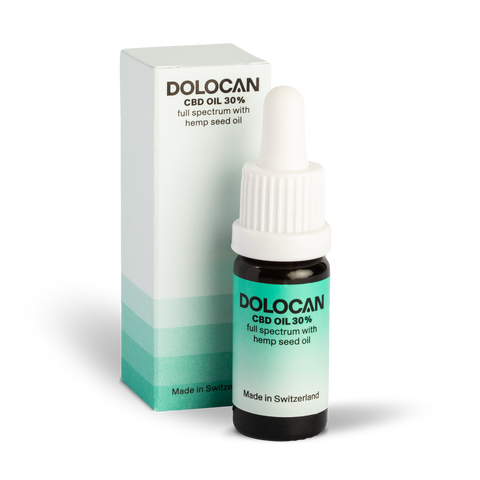
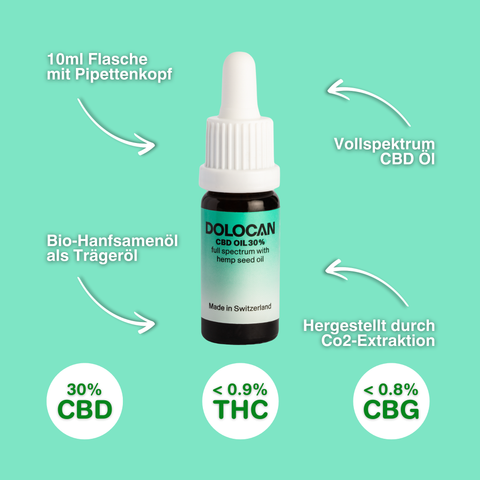
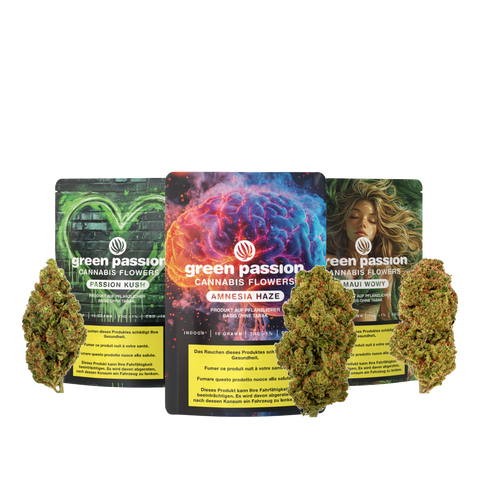
The CBD cosmetics from Green Passion are vegan, dermatologically tested, and made in Switzerland. You can jump straight to CBD cosmetics here if you're looking for the right product for your skin type.








Comments (0)
There are no comments for this article. Be the first one to leave a message!