
The Bioavailability of CBD
The term "bioavailability" comes from pharmacology and refers to the percentage of the active ingredient that, when taken or administered, is available unchanged in the systemic circulation. Bioavailability is a measure of how quickly and to what extent, for example, a drug is absorbed and available at its intended site of action.
Cannabidiol ("CBD") can enter the bloodstream in many different ways, and each method of application or consumption has a different bioavailability. Below, we'll look at which way of taking CBD is the most effective:
How can I maximize the bioavailability of CBD when using it?
Basically, the more fats and oils—also called lipids—you take in, the better your body can process CBD. That's because CBD is lipophilic, meaning it's fat-soluble. Fats help your body transport CBD to the relevant receptors in the nervous system.
Studies show that the bioavailability of CBD can be increased up to threefold when combined with plant oils.
Fats are especially important for boosting bioavailability when taking CBD orally. This way, the lymphatic system is activated to process CBD, and part of the active ingredient can reach the receptors without having to be metabolized by the liver. Here are a few common ways to use CBD.
Smoking and Vaping CBD, Oral and Sublingual Use
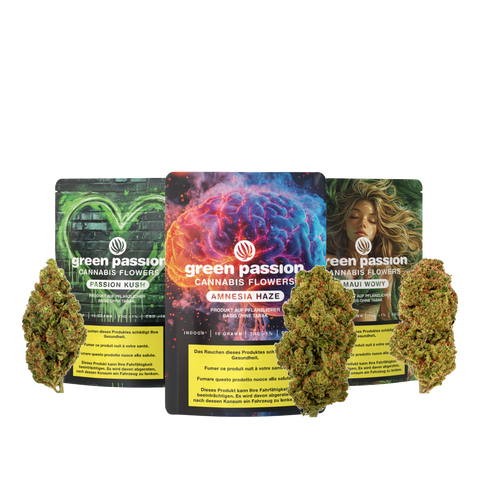
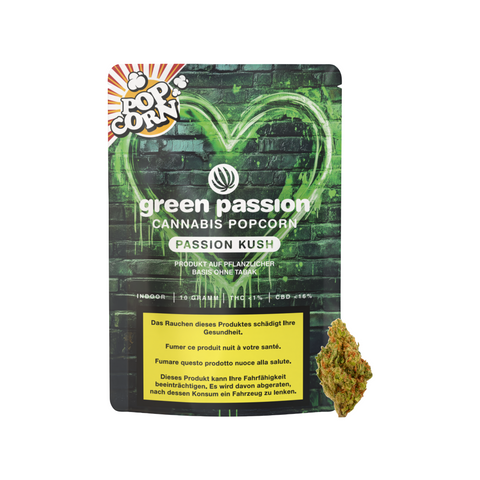
Smoking or vaping CBD flower with a vaporizer is a popular way to take CBD. Absorption through the lungs and transfer into the blood takes a bit longer than with sublingual products like tinctures, concentrates, tablets, or sprays (absorbed through the mucous membranes), but it's still faster than oral consumption of capsules, edibles, and oils (absorbed through the stomach).
Also, the effects of vaping cannabinoids are generally much stronger. Vaping has other benefits too, like a bit more discretion when using and better dosing options when using flower. Vaping cannabinoids is definitely one of the most efficient ways to consume them. The bioavailability is about 50-80%. When smoking, for example, the bioavailability of cannabinoids is only around 30%. You can find more info about vaping cannabis in our article Smoking vs. Vaping.
Taking CBD Orally
When you take CBD orally, the effects are weaker because of lower bioavailability. That's due to the so-called "first-pass effect." When you take CBD orally, it's processed in both the liver and the digestive tract. That's why the bioavailability for oral CBD is only about 20%.
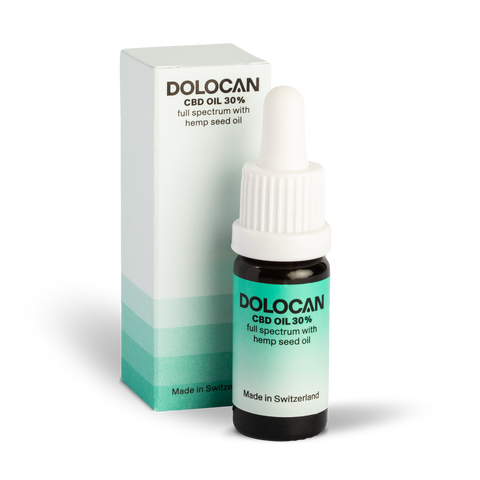
Since the active ingredient has to go through the liver first, the bioavailability drops—but even though this method has relatively low bioavailability, it seems the effects last longer than with other ways of using CBD. A popular product for oral use is CBD oil.
User experiences and studies also suggest that bioavailability doesn't just depend on the factors mentioned above. It's also important which terpenes and other cannabinoids are in the oil. Thanks to the so-called entourage effect, the special thing about the effect is how all the active ingredients work together.
Note: Higher bioavailability doesn't always mean better effects. Some studies suggest that cannabinoids only really work after being processed by the body—the best way to use them is very individual. It's best to try out the most common methods and decide based on your own experience which one works best for you.
Conclusion on the Bioavailability of CBD
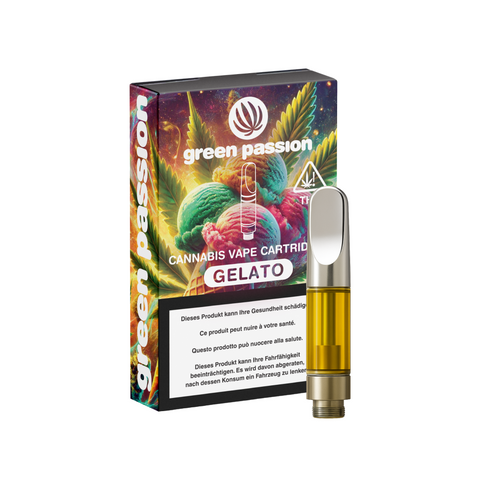
To sum up, you'll probably get the best results with a vaporizer or by vaping. The bioavailability is high—hemp extracts for vaping deliver the effects of CBD and other effective, non-intoxicating cannabinoids. For this, check out our CBD E-Liquids from Green Passion.









Comments (0)
There are no comments for this article. Be the first one to leave a message!