
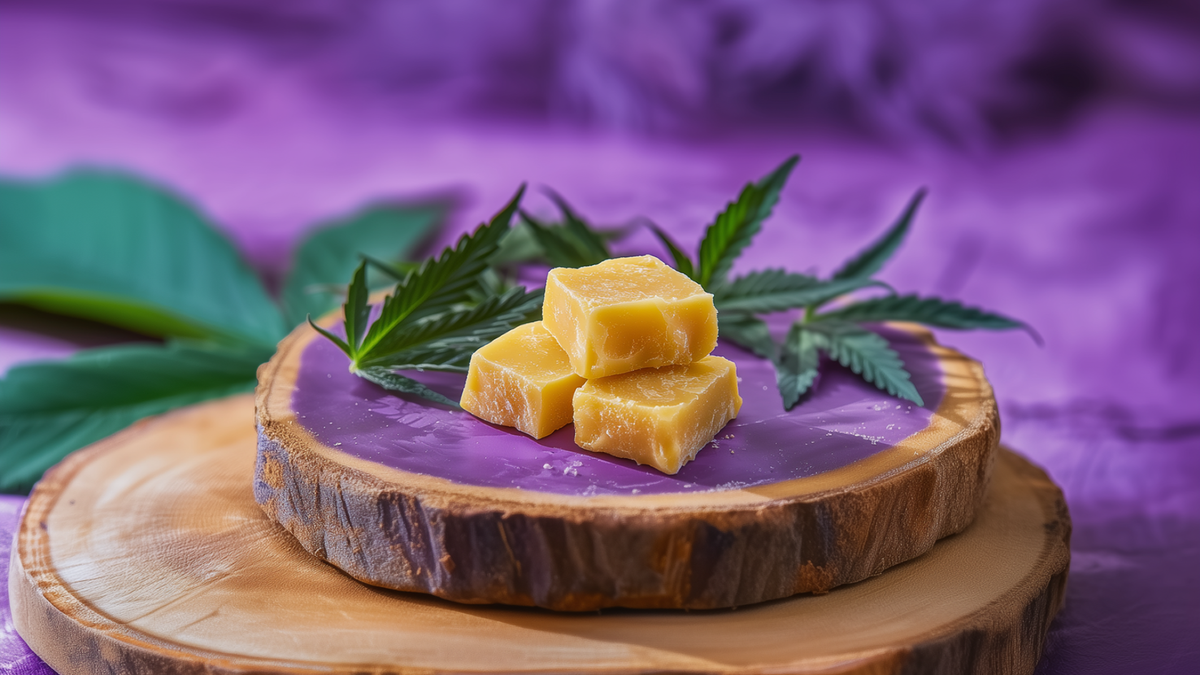
Imagine you open a small jar of CBD concentrates, a full scent rises towards you and you notice immediately: there is something special in here. That is how I felt a few months ago when I first saw a product advertised with the term cold cure. I was curious: what is behind this process, and why do so many connoisseurs talk about it?
Maybe you feel the same: you have heard the term before, but never really understood what makes it special. Or you are simply looking for the best quality when it comes to taste, purity and naturalness. That is exactly what today is about: clear, honest and with a look behind the scenes.
What does cold cure actually mean
The term cold cure comes up mainly in the field of cannabis and CBD concentrates and describes a process designed to preserve sensitive terpenes and cannabinoids as completely as possible. Unlike classic curing, it works with low temperatures, often between 4 °C and 16 °C, sometimes even lower.
I still remember my first experience with cold cure: the smell was fuller, the consistency butter-soft, the taste incredibly rounded. This experience does not come out of nowhere, but from real craftsmanship. That is exactly what makes cold cure the new quality standard for many, especially for anyone who engages consciously with cannabis and values naturalness.
How the cold cure process works
Now it gets exciting. Cold cure is not a single step, but rather a philosophy of processing. The aim is to get the maximum out of the flowers: without heat, without unnecessary additives, without compromise.
First you need first-class starting material: fresh, resinous flowers that are frozen directly after harvest. This preserves the volatile terpenes that later make up the unmistakable taste. Extraction then takes place at low temperature, usually as so called rosin pressing, entirely without solvents.
The material then rests in a closed glass container at a cool temperature. This resting phase, the actual cold curing, lasts from several days to weeks depending on the method.
During this time, the typical butter-like structures form, the aroma becomes rounder and the texture more even. Anyone who has smelled it once knows immediately why connoisseurs rave about it.
Why cold cure is decisive for aroma, quality and texture
What is special about cold cure lies in the detail. Thanks to the low temperatures, more natural terpenes are preserved, which are exactly the compounds responsible for smell, taste and the overall experience. Classically processed concentrates often smell flatter, while cold cure products keep a complex, lively profile.
A friend once put it perfectly: “It is like the difference between ready-made dough and freshly baked bread.” And yes, that is exactly how it feels.
The texture also benefits: cold cure is usually creamier and more homogeneous. For anyone who values purity, aroma and craftsmanship, this is clearly a premium standard.
Cold cure vs. traditional processes
Is the effort worth it? The comparison shows clearly: if quality comes first, yes. Classic processes often work with higher temperatures to save time, at the expense of terpenes and freshness.
Cold cure, on the other hand, is slower, but much gentler. Less oxidation, lighter colour, fresher aroma. More and more producers, including in Switzerland, are therefore deliberately choosing this process.
The price is usually a little higher. In return you get a product that clearly stands out from the standard.
How to store cold cure correctly
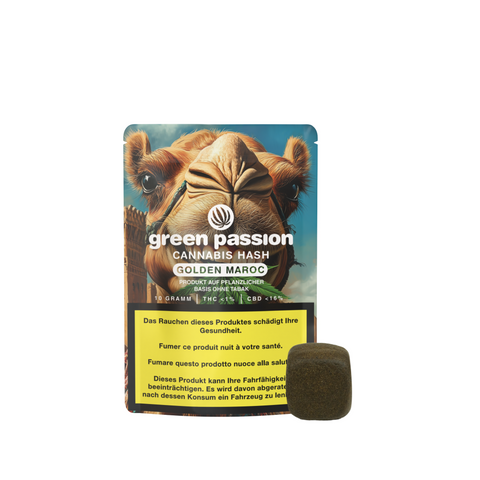
For your cold cure concentrate to keep its quality, you should store it cool, dark and airtight. Light, heat and oxygen are the biggest enemies of sensitive terpenes. The same applies to CBD hash.
Practical tip: if you store the jar in the fridge, let it reach room temperature while still closed before opening it. This way no condensation forms in the jar and the aroma is preserved.
FAQ: the most important questions briefly explained
Is cold cure CBD permitted in Switzerland?
Yes, provided the total THC content is below 1%. From 1% total THC, hemp counts as a narcotic in Switzerland (BetmVV-EDI, FDHA Ordinance on the Narcotics Lists, SR 812.121.11, Annex 5, list d, as of 13 March 2026). Look for clear declaration and transparent information from the manufacturer.
How do I recognise good cold cure products?
By a light colour, fresh smell, creamy consistency and available lab analyses. Reputable suppliers communicate openly about production and origin.
Is cold cure worth it despite the higher price?
If taste, purity and quality matter to you: definitely. The price reflects the care and the level of craftsmanship.
Conclusion
Cold cure is not a marketing term, but a deliberate way of processing. It stands for respect for the plant, for patience and for uncompromising quality.
At Green Passion, that is exactly what we focus on: transparent production, Swiss quality standards and honest products. Our Cold Cure Dabs are made by hand and have a full, unadulterated aroma.
Curious? Then see the difference for yourself: deliberate, aromatic and natural. 🌱




Comments (0)
There are no comments for this article. Be the first one to leave a message!