
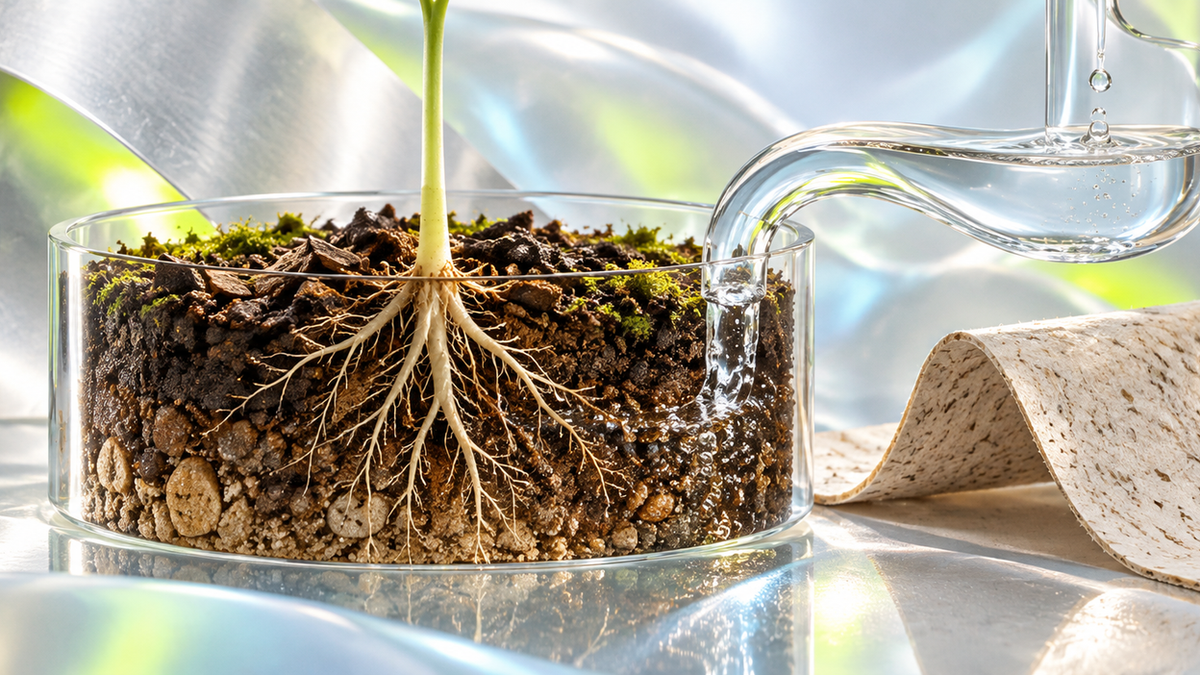
CBD is often automatically associated with naturalness. A plant that grows, is harvested, is dried, and that's it. Many people imagine it as simple and easy on resources. Even so, the question of how sustainable CBD is comes up more and more often. Depending on the cultivation method, the environmental impact can vary considerably. While outdoor hemp gets by almost entirely on sunlight and rain, indoor facilities work with lamps, air conditioning and ventilation systems that need substantial amounts of energy.
In Switzerland, expectations of quality are high, and many buyers pay attention to clear origin and clean production. Sustainability is increasingly part of these expectations. But reality is more complex: some methods save resources, others need a lot of energy, and others again vary depending on location and technology. So "green" does not mean the same thing everywhere. That is why it is worth taking a look at what makes hemp cultivation sustainable and where CBD currently stands.
Why sustainability is becoming more and more important in the CBD market
The CBD market has been growing steadily for years. With this development, interest in environmentally friendly production methods is rising. Many people are looking for alternatives to highly processed products or want clear information about origin and quality. Hemp fits this picture well, as it is known as a hardy plant that often gets by without artificial additives when grown in the open field.
In practice, however, producers face various challenges. Indoor facilities allow very stable quality and year-round cultivation, but they have a high energy demand. Outdoor cultivation is easier on resources but depends on the weather. Greenhouse models combine elements of both worlds and are seen as a compromise.
As demand for transparent production processes grows, so does the focus on sustainability. Energy-efficient LED systems, water recovery, biological pest control and regional supply chains are increasingly becoming standard for modern producers.
How sustainable is CBD really?
The environmental footprint of CBD depends above all on the cultivation method. In principle, hemp has the potential to be very sustainable. It grows quickly, needs little water in the open field and can be grown in many regions without chemical pesticides. But this advantage shows mainly in outdoor cultivation.
Indoor cultivation needs significantly more energy because of lighting, air conditioning and air filtration. The electricity required per kilogram of indoor hemp can be substantial. Even though LED systems and renewable energy reduce the demand, indoor remains the most energy-demanding form of cultivation.
Greenhouse cultivation achieves a much better balance on average. Thanks to sunlight, automation and modern insulation, energy demand drops noticeably. In Switzerland, many farms also rely on photovoltaics or on locations with a favourable climate.
Outdoor performs best ecologically. Rainwater, natural sunlight and minimal energy input result in a very good balance. On the other hand, the result depends more on the weather and the location.
Indoor, outdoor and greenhouse compared
How the three cultivation methods differ in the appearance and aroma of the flowers is shown in our article CBD indoor vs. outdoor.
Indoor: controlled, but energy-demanding
Indoor facilities work with precisely tuned light recipes, climate values and air flows. This makes the quality very consistent. However, most of the environmental impact comes from the electricity demand. Indoor is suitable where maximum control is wanted.
Outdoor: minimal energy demand
Outdoor hemp uses natural resources. The plant grows in soil, gets rain, sun and wind and often needs no artificial additives. This keeps the ecological footprint low, even if yield and appearance can vary.
Greenhouse: the middle way
A greenhouse offers protection from extreme conditions while using sunlight as its main source of energy. Modern facilities achieve a very balanced environmental footprint here.
How to recognise sustainable CBD products
Sustainability is not always immediately visible to buyers. Reputable suppliers rely on transparent information, regional production, organic methods, efficient technology and traceable lab reports.
Is sustainable CBD worth it despite the higher price?
Sustainably produced CBD products can be somewhat more expensive. The price reflects greater effort, renewable energy, regional value creation and transparent production. Many buyers feel this added value is justified.
When CBD is environmentally friendly
CBD can be very environmentally friendly, especially with outdoor or modern greenhouse cultivation methods. Sustainability does not mean perfection, but conscious decisions along the entire production chain.
If you pay attention to transparent origin, modern technology and responsible producers, you can choose CBD products that are both high quality and more environmentally friendly.




Comments (0)
There are no comments for this article. Be the first one to leave a message!