
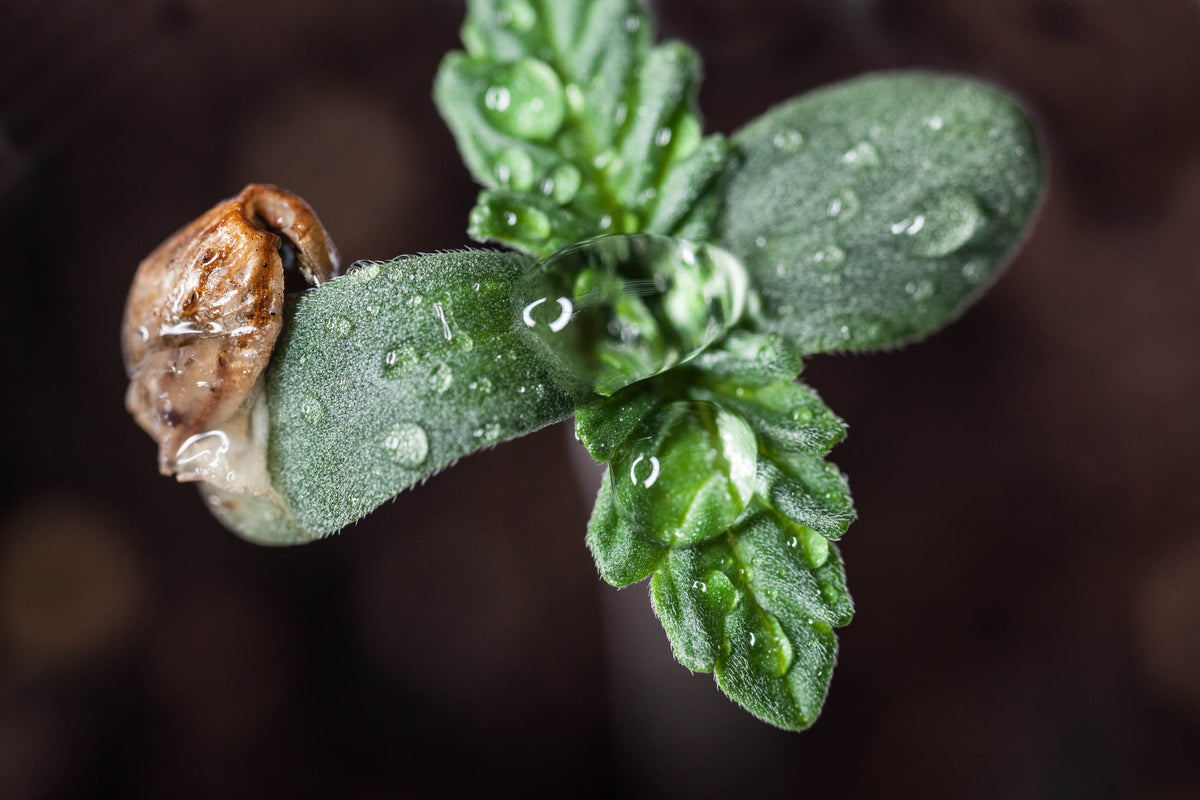
Cannabidiol (CBD) was, after tetrahydrocannabinol (THC), for a long time the second most common and largely unknown cannabinoid in cannabis. The appearance of strains with high CBD content on the market only started to catch on with the general public around 2014, leading to a rapid increase in demand and the creation of new products like CBD buds, CBD hash, or CBD cosmetics in recent years. Before that, cannabis was mainly bred for the highest possible THC content to create the strongest possible “high.”
But there’s also a large group of cannabis users who aren’t interested in—or not only interested in—the psychoactive effects of cannabis, but want to keep a clear head and therefore prefer other effects. This shift in interest and consumption habits led some cannabis breeders to focus on developing and spreading CBD-dominant hemp strains. Various medical and therapeutic benefits of CBD were also discovered and researched. Thanks to the pioneering work of a few brave scientists and breeders, there are now a wide variety of CBD-dominant hemp strains available, making it possible to extract the compound from the plant or to satisfy the tastes and needs of a new generation of CBD fans.
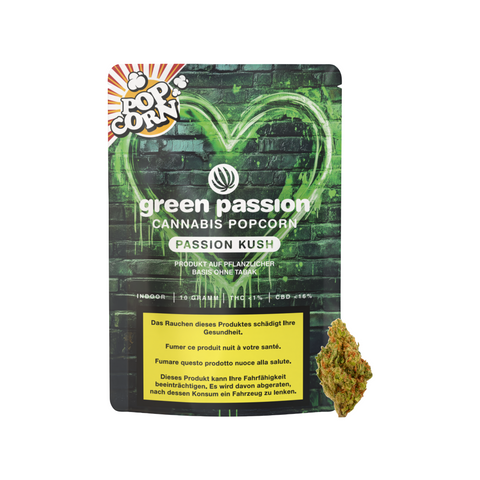
A CBD-dominant cannabis strain can contain between 4 and 25 percent cannabidiol by volume. In the online shop at Green Passion, for example, you’ll find some CBD flower strains with the highest CBD content ever recorded worldwide, like the strain Passion Haze (>23%). Years of selection and crossbreeding have allowed cannabis breeders to develop strains specifically for high CBD content.
Credit for this goes in part to Geoffrey Guy, MD, and the founding of GW Pharmaceuticals in the UK in 1998. As a member of the International Cannabis Research Society (ICRS) and with a grant from the British government to grow cannabis, Guy and his team searched for a variety of CBD-dominant cannabis strains they could extract and isolate. They found their strains through a Dutch seed company called HortaFarm, founded by expat cannabis legends Robert Clarke and David Watson. These as-yet-unnamed, Dutch-bred CBD-dominant strains were among the first ever specifically selected for high CBD content and extraction of this compound.
With the passing of California’s Proposition 215 (also known as the “Compassionate Use Act”) in 1996, interest in CBD shifted to the West Coast of the US. What was happening in the UK spread through some of the first publications reporting on cannabinoid-based medicine. O’Shaughnessy’s, a California publication named after the Irish doctor credited with introducing cannabis to Western medicine, was one of the first to praise GW Pharmaceuticals for selecting and breeding CBD-dominant strains and isolating CBD.
It wasn’t until the founding of Harborside Health in Oakland, California, in 2006 by Steve DeAngelo that CBD strains started popping up again on the West Coast. By 2009, Harborside Health was using gas chromatography by Steep Hill Labs to test cannabinoid potency. Some of the first ever verified CBD-rich strains were developed in these labs. In 2010, Project CBD began reaching out to farmers who had submitted CBD-dominant strains for testing, in order to obtain them. This new West Coast enthusiasm for CBD genetics led to some of the first ever stable CBD-dominant strains.
One of the undisputed champions of the CBD movement in Northern California is Kevin Jowdry, director and owner of Wonderland Nursery in Humboldt, California. In an interview at Seattle Hempfest 2015, Jowdry traced the rise of stable CBD-dominant strains to two different events. The first was the introduction of the Cannatonic line from Resin Seeds at the Spannabis trade show in Barcelona in 2008. Cannatonic’s ability as a chemotype to produce a consistent range of high-CBD offspring—spanning the entire potency scale from 1:1 to 18:1 (CBD-dominant)—made it a top candidate for breeding projects.
According to Jowdry, Jaime, the owner of Resin Seeds, passed this genetics on to a breeder in California, who carried out the first US Cannatonic “sift” or genetic selection process. The CBD variability of the Cannatonic line was used by hybridizing several sub-strains. Some of the standouts that came from this explosion of CBD genetics were the C6 line (known for its consistent 18:1 CBD/THC ratio) as well as ACDC, which became some of the first sought-after CBD flower strains.
Coincidentally, Lawrence Ringo of the Southern Humboldt Seed Collective was also breeding for stabilized CBD, and after testing his “Swiss Gold Genetics” for CBD-rich markers, he created what would become known as “Sour Tsunami.” Kevin Jowdry worked closely with both breeders through Wonderland Nursery to offer CBD-dominant clones and cuttings throughout Northern California and the Emerald Triangle.
As part of the CBD breeding projects in Northern California, two different cultivation and propagation patterns emerged. On one end were the stabilized Cannatonic strains, bred almost exclusively for oil production. These strains often had unpalatable terpene profiles, mainly due to high levels of myrcene and caryophyllene. The Cannatonic line, especially the C6 line, was known for high yields but not much flavor. For oil production, a less attractive flavor profile wasn’t a problem, since the most popular method for extracting medical-grade CBD oils is typically subcritical CO2 (which kills terpenes anyway). For CBD flowers, though, flavor and terpene profile are essential.
For smokable CBD flowers, the tastier Sour Tsunami and Harlequin lines were bred. Unlike the Cannatonic strains, these had higher limonene and pinene content, giving them more desirable aromatic traits. Even though they produced lower yields, these strains were much more attractive for smoking and (in some cases) had higher THC content, which helped boost their popularity in the more recreational market.
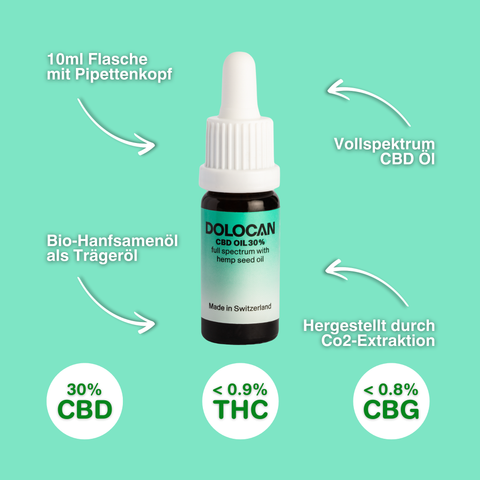
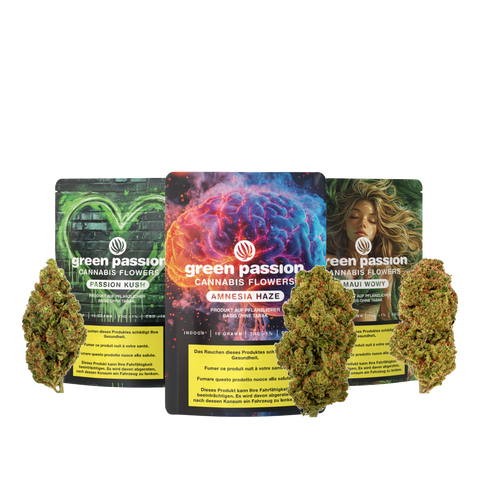
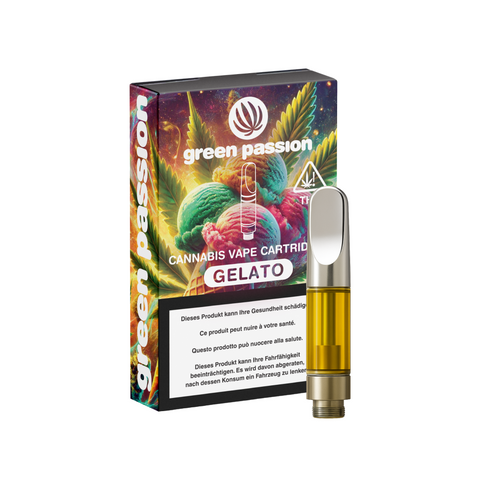
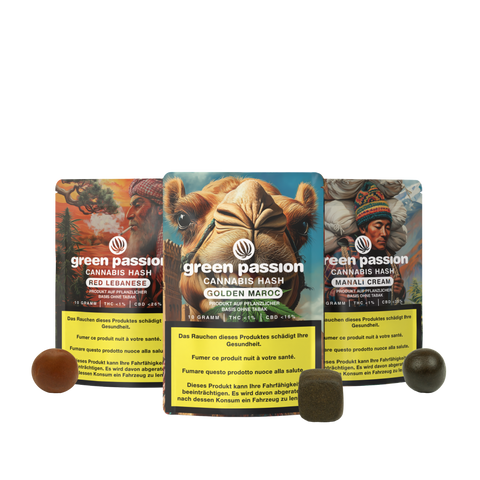
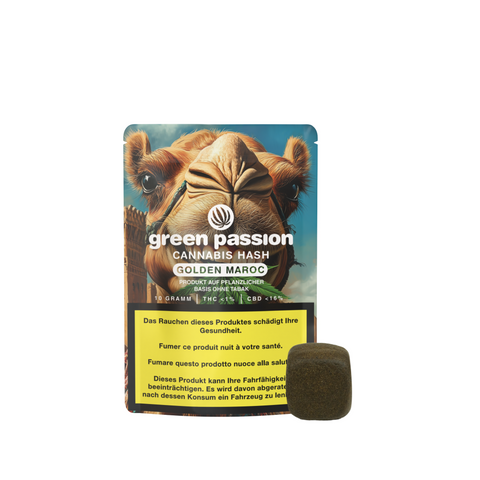
In the online shop at Green Passion, you’ll find a wide selection of CBD buds, CBD hash, CBD cosmetics, and CBD seeds for sale.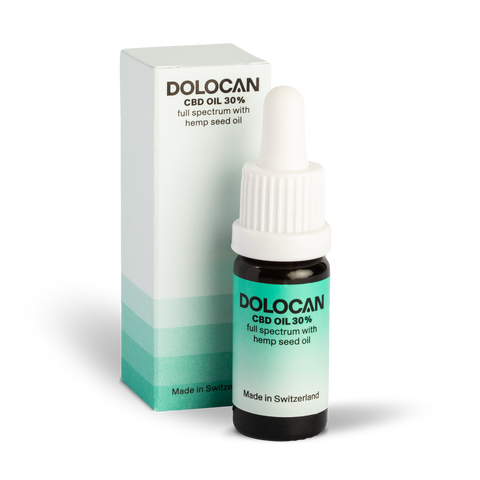








Comments (0)
There are no comments for this article. Be the first one to leave a message!