
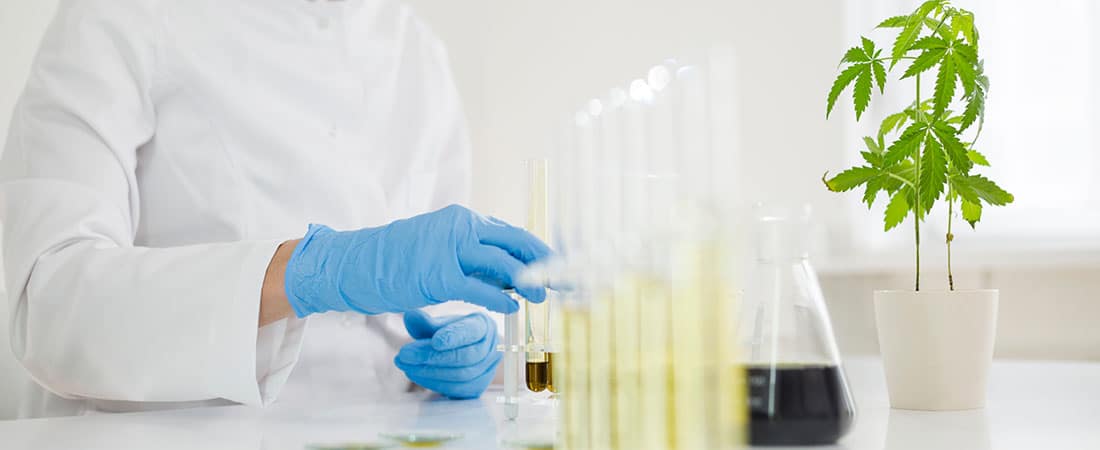
Pilot projects are set to test the supervised distribution of cannabis in Switzerland. Parliament has given its approval. However, it's still unclear whether only organically grown Swiss cannabis can be used for these tests.
The decision by the Council of States allows regulated scientific studies under the strict requirements of the Narcotics Act regarding cannabis consumption. The Council of States made this decision as the second chamber, with 31 votes in favor and 7 against (with two abstentions). Opposition came from members of the SVP and the Center Party.
Valuable insights
The Council of States' positive decision followed the majority vote of the Social and Health Commission (SGK). According to Johanna Gapany (FDP/FR), about 200,000 people in Switzerland regularly use cannabis illegally. As a result, the black market is thriving, Gapany adds. The planned pilot studies are meant to provide new insights for future political decisions about controlled cannabis distribution in Switzerland.
For Maya Graf (Greens/BL), the results of the pilot studies should help shed light on the problematic situation with the cannabis ban in Switzerland: "Despite bans, the situation isn't improving. We need to try to understand the root of the problem to find solutions."
According to Peter Hegglin (CVP/ZG), current studies show the negative effects of marijuana on the human body and mind. That's one reason there were seven votes against the proposal. He believes spending more money on prevention would be more effective. Hegglin is also bothered that the Federal Council wants to remove the tobacco tax from cannabis to fund studies.
Too many unanswered questions
For Hannes Germann from the SVP Schaffhausen, the motion is the first step toward legalization: "There are too many unanswered questions with this proposal, like road safety or accident prevention at work." Werner Salzmann (SVP/BE) warns about the psychoactive effects of cannabis, which can last for days.
The current situation around cannabis use in Switzerland isn't satisfactory, says Health Minister Alain Berset. He believes the current use of resources isn't effective. Scientific field studies in this area aren't currently allowed by law. The new proposal, with strict limitations and approval from the Federal Office of Public Health (BAG), is meant to address the current situation.
According to the Federal Council, only adults who already use marijuana should participate as test subjects in the planned pilot studies. A detailed regulation will set this out. The studies should also be limited in time and take place at a specific location. The number of participants will also be limited.
Differences over organic cannabis
There are also differences of opinion about which cannabis should be used for the tests. The National Council wants only Swiss organic cannabis to be allowed. The Council of States is more flexible and uses the term "if possible" in the proposal.
However, the SGK points out that Swiss organic cannabis is only available in limited quantities. The Council of States accepted this without comment. The proposal now goes back to the National Council.
The background for this experimental article is the rejection of a cannabis study by the University of Bern. At the time, the BAG concluded there was no legal basis for such a study. The current proposal is meant to close this gap in the law.
The National Council approved the proposal for pilot studies in summer 2020 with 113 votes to 81. The no votes again came from the SVP as well as the FDP and Center Party.
Cannabis ban in Switzerland
Since 1951, marijuana has been classified as a prohibited narcotic in Switzerland. It can't be grown, produced, or sold. Cannabis use has been a criminal offense since 1975.
According to the Federal Council, the new regulations are meant to help explore alternative approaches to cannabis use in Switzerland. Any decision to reform the current consumption model would have to be made by Parliament.
Source: Keystone-SDA (2020). Council of States says yes to studies on controlled cannabis distribution.















Comments (0)
There are no comments for this article. Be the first one to leave a message!