
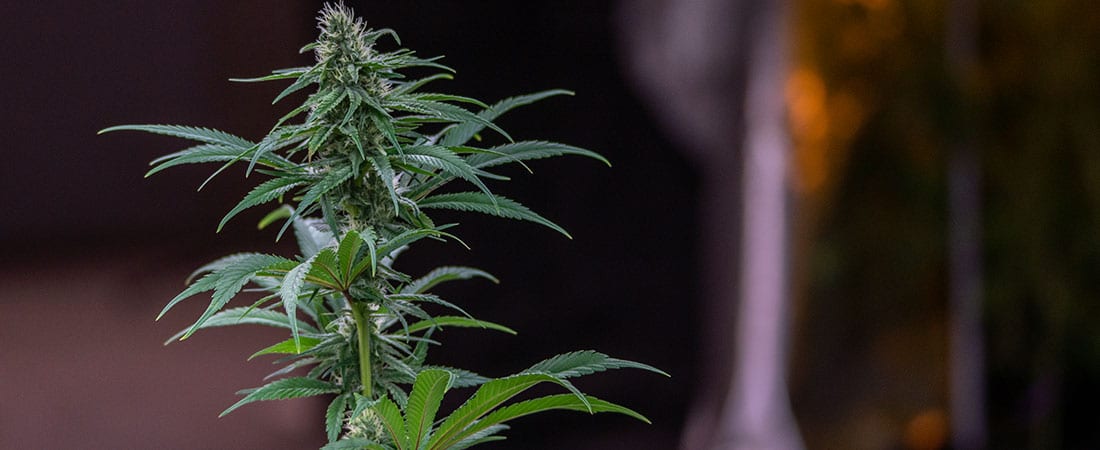
Cannabis, hemp extracts, and cannabinoids as food products
Food products with hemp extracts or cannabinoids (like CBD) are also trending in Switzerland. However, cannabinoids and hemp extracts are generally considered novel foods, which means that, according to various authorities, they can't just be added to food or advertised as such however you want.
If you want to sell food with hemp extracts or cannabinoids, or use them as an ingredient, you need to check if these foods are considered novel foods. This is the case if you can't prove that the food was already consumed in significant amounts in Switzerland or the EU before May 15, 1997.
Also, keep in mind that parts of the hemp plant contain the cannabinoid THC. Consuming this substance has psychoactive effects. That's why the Contaminants Ordinance (VHK) sets maximum levels that can't be exceeded. Plus, hemp products can't fall under the Medicines Act (HMG) if they're supposed to be approved as food.
Hemp (Cannabis sativa L.): Not a novel food
The following products made from Cannabis sativa seeds, for example, are not considered novel foods:
- Hemp seeds
- Hemp seed oil
- Hemp seed flour
- Defatted hemp seeds
For these products, it's been proven in the EU that they were already used as food before May 15, 1997. So, they clearly don't need approval. For other hemp-based products, you at least need to check if they need approval as a novel food.
This applies to Cannabis sativa tea
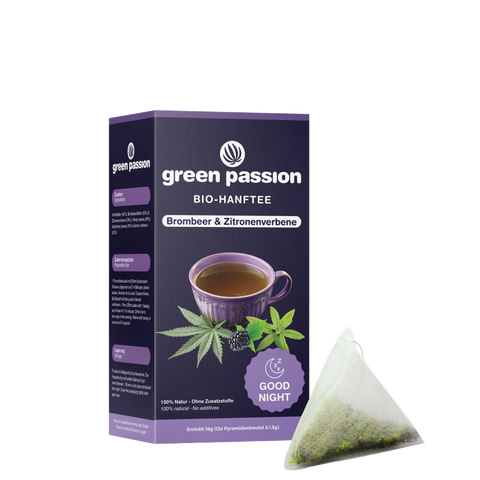
Herbal tea made from hemp leaves is generally not considered a novel food in Switzerland. If you want to make, import, or sell herbal tea from hemp, you have to prove that this herbal tea was already consumed in significant amounts as food before May 15, 1997, and so isn't considered a novel food.
Extracts from Cannabis sativa L. (hemp extracts)
Extracts with very different compositions can be made from various parts of Cannabis sativa L. using different extraction methods. Hemp extracts that contain cannabinoids are listed as novel foods in the European Commission's Novel Food Catalogue, since their use as food before May 15, 1997 can't be proven. According to various authorities, these hemp extracts, as well as products that contain hemp extracts as an ingredient, are considered novel foods and can only be sold with approval from the BLV or authorization from the European Commission.
Cannabinoids, especially cannabidiol (CBD)
More than eighty so-called cannabinoids naturally occur in parts of the hemp plant. The most important are the psychoactive delta-9-tetrahydrocannabinol (THC) and the non-psychoactive cannabidiol (CBD).
For individual cannabinoid substances, authorities say that significant consumption as food before May 15, 1997 hasn't been proven in either Switzerland or the EU. That's why the following substances are considered novel foods:
- Cannabinoids from hemp plants (Cannabis sativa L.)
- Cannabinoids from any other plant that contains cannabinoids
- synthetically produced cannabinoids
Cannabinoids, like hemp extracts, are listed as novel foods in the European Commission's Novel Food Catalogue. So, in general, they can only be sold with approval from the BLV or authorization from the European Commission.










Comments (0)
There are no comments for this article. Be the first one to leave a message!