
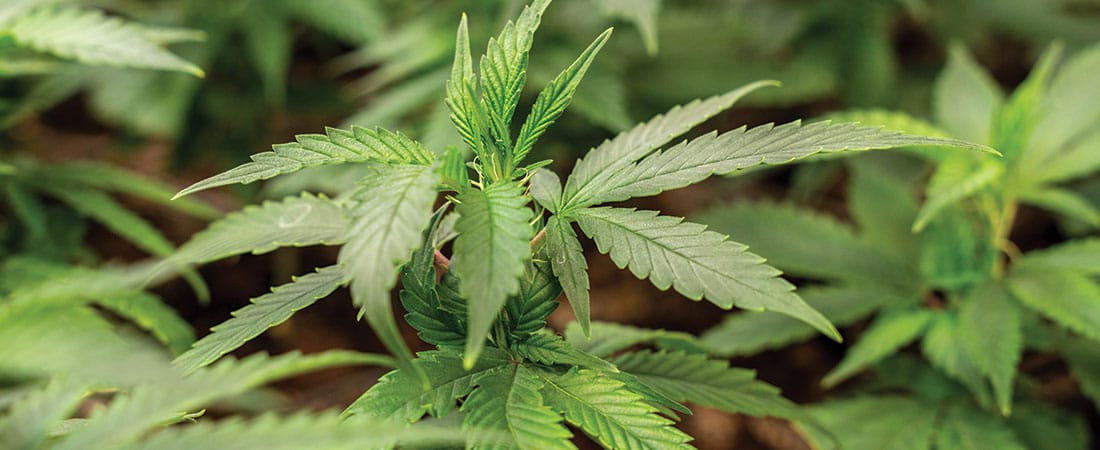
Cannabidiol is a substance found in the Cannabis Sativa plant, also known as marijuana or hemp. Cannabidiol (or CBD for short) makes up to 40% of the plant extract. It was discovered in 1940 and researchers are still studying its effects today.
People can take CBD in different ways, like as an oral spray or by inhaling vapor. One very popular and widespread option is taking CBD oil. CBD is also available as capsules, dried, or as a prescription liquid solution.
Products containing cannabidiol are becoming more and more popular in Switzerland and all over the world. Unlike THC, CBD is legal in Switzerland because it doesn’t cause psychoactive effects in the user’s brain. However, it can’t just be added to any product or advertised however you want. Switzerland has clear rules for every product that might contain CBD to protect people’s health.
Because of Swiss laws on CBD products that guarantee high quality, the number of Swiss CBD suppliers keeps growing, as does the number of people looking for these products on the Swiss market.
Many of these suppliers offer their products through online platforms. Others sell a wide range of CBD products in their stores. These shops need to be licensed to legally sell CBD products.
Types of CBD Products
As mentioned at the beginning, CBD products come in all sorts of forms. Because of their many advantages, the list of available products has been growing for years. The number of manufacturers making CBD products is also steadily increasing.
The rules for buying Swiss products are different from others and change depending on the form in which the product is sold. Swiss laws are clearly defined, and suppliers of CBD products have to follow them, or they’ll get fined by the authorities.
Here’s a list of the most common CBD products you’ll find in Switzerland:
Raw Material
CBD as a raw material is the most common form of cannabidiol you’ll find on the Swiss CBD market. It’s sold without a specific intended use, meaning the buyer decides how to use it.
Sellers usually indicate what these materials are meant for, like cosmetics. If they’re sold without a specific intended use, they’re regulated under the law for chemicals.
Ready-to-Use Products
The other type of CBD product comes in a ready-to-use form. Usually, these are medicines, food, cosmetics, tobacco substitutes, or chemicals.
Since each of these products has to meet different rules to be legally sold, we’ve listed and explained them all below:
Products Sold as Medicines
These are CBD products sold with the intention of being used for medical treatments. However, they can’t be sold without approval.
Please note that the rules for selling CBD products and the rules for selling THC products are very different, so they can’t be used as substitutes for each other.
For pharmacies that are allowed to sell CBD-based medicines to sell the product to buyers, they have to make sure the following conditions are met:
- The buyer provides a doctor’s prescription.
- The prescription was written and issued by a doctor who specializes in the following:
- Lennox-Gastaut syndrome
- Dravet syndrome
- Or other treatment-resistant forms of epilepsy.
If a doctor writes a prescription for a different diagnosis, which can happen in exceptional cases, they first have to contact the relevant authorities and provide an approval document along with the prescription.
The production and sale of the medicine have to meet GMP quality standards, at least matching the requirements of the Monograph C-052 Cannabidiol from the current German Drug Codex DAC / NRF.
Food
Any product meant to be eaten by people, or that can reasonably be expected to be consumed by people, is classified as CBD-based food, whether it’s processed, partially processed, or unprocessed.
The main legal rule for foods containing CBD is that they have to be safe. That means they can’t pose any risk to people’s health or be unsuitable for consumption, even in the slightest way.
Cosmetics
Since CBD used in cosmetics can be completely natural, come from different parts of the cannabis plant, or be synthesized, the rules for use are different in each case.
The main rule for all of them is that they have to be safe for the user and meet the definition of a cosmetic under Swiss law. For legal reasons, the safety of the ingredients has to be documented in a safety report. Medical and therapeutic claims are not allowed in this case.
For natural CBD, it can only be used in cosmetic products if it’s made from cannabis, cannabis resin, cannabis extracts, or cannabis tinctures that come from seeds and leaves not mixed with the flowering tops of the cannabis plant.
CBD Liquids for E-Cigarettes
With the rise of e-cigarettes, some shops have started offering CBD liquids for e-cigarettes, which are classified as consumer products under Swiss law.
This law clearly states that all items that come into contact with the mouth’s mucous membrane during normal use can only be sold in amounts that don’t pose a risk to the consumer’s health.
It’s forbidden to add CBD in pharmacologically active doses to e-cigarette liquids.
Chemicals
For manufacturers to sell CBD chemicals, they have to assess whether the substances they’re putting on the market could endanger people’s lives or health, or even the environment.
As a result, manufacturers have to classify, package, and label the product, and also create a safety data sheet to properly inform buyers.




Comments (0)
There are no comments for this article. Be the first one to leave a message!