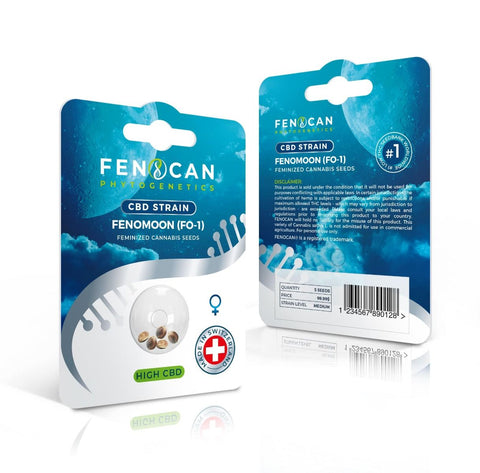
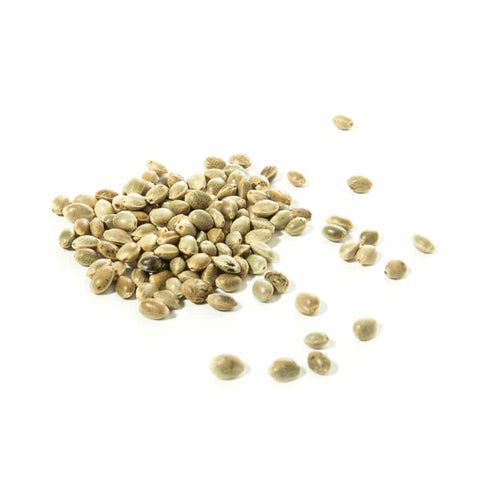
Hemp (cannabis) is one of the oldest cultivated and ornamental plants in human history.
The uses of hemp are diverse, and that's why people have been cultivating this plant for thousands of years. Besides fibers, the hemp plant is also used to produce oils and extracts, which are used in the food, cosmetics, and pharmaceutical industries.
In Switzerland, growing hemp is allowed as long as the THC content is below 1%. This grower guide is only for growing hemp plants outdoors with a THC content within the legal limit for personal use. This guide just covers the basics of growing hemp. For more detailed information, we recommend checking out specialized books (link to webshop books).

Hemp (cannabis) belongs to the hemp family (Cannabaceae).
Hemp is an annual plant, which means its cycle from sowing to flowering or harvest happens within a year. Hemp is dioecious, meaning it has separate male and female plants and flowers. So, hemp relies on male pollen to fertilize the female flowers in order to produce seeds and reproduce.
Cannabis prefers to grow in tropical, Mediterranean, and temperate zones like the subtropics. You can find it both cultivated and wild in these areas. However, some strains have no problem growing outdoors from spring to fall in regions like Central Europe and thrive there.

Soil condition
A really important point is the soil quality. Good soil gives the hemp plant all the essential nutrients it needs to thrive and grow into a healthy, high-yielding plant. Bad soil, on the other hand, can lead to stunted growth—which obviously affects your harvest—or even kill the plant. So not all soil is the same. What matters is what's in it. Light, well-draining soil is ideal. There should also be enough nutrients. You can achieve this with a slow-release fertilizer, added to the soil as the manufacturer recommends.

Light and sunlight exposure
Pick a spot that gets as much sunlight as possible. Light—in this case, the sun—provides the energy for photosynthesis. Hemp needs a lot of it to grow. It loves soaking up the sun.
So make sure there aren’t any obstacles like trees, houses, or anything else casting a shadow directly on your cannabis plant.
It’s ideal if the spot faces south. Since the sun rises in the east and sets in the west, the south side gets sunlight all day long. A spot facing west or east only gets sun for half the day.

Water
Just like light, water is essential for the growth and life of the cannabis plant. Most of the water is absorbed through the roots, but it also gets in through the leaves and stems from humidity in the air and by spraying.
Water doesn’t just regulate the plant’s fluid balance—it also brings in vital nutrients (nutrient salts) and trace elements like nitrogen, phosphorus, potassium, and even oxygen.
Together with light, photosynthesis creates stems, leaves, and flower material, making it possible for the plant to grow in the first place.

The cannabis plant can absorb liquid and nutrients through its leaves. After hot and dry days, you can help your hemp plant recover faster by letting it regulate its water balance this way. Deficiencies like too little nitrogen or phosphorus can also be fixed more quickly by adding fertilizer to the spray water.
But this isn’t a substitute for a healthy, nutrient-rich root medium—it’s more like “fine-tuning” to fill certain nutrient gaps in uptake. Also, be really careful when fertilizing through the leaves, because they’re very sensitive to burns. In general, only 10% of the normal fertilizer amount (used for watering) is used as foliar fertilizer (when spraying).
During flowering, you should only spray in the first few weeks if it’s really necessary. As buds get bigger and older, too much moisture makes them prone to mold, rot, and insects. Do NOT spray your hemp plants in strong sunlight. Water on the plant can cause the leaves and buds to burn from the sunlight.
The Harvest
After a more or less successful grow, the moment every grower looks forward to the most has finally arrived. Harvest time! But picking the right moment to harvest is just as important as how you process and store your buds. If you don’t handle things right, you can end up with a smaller yield.
Harvesting too early or too late can mean less cannabinoids, lower yield, and weaker aroma. If you dry or store your buds the wrong way—like with too much humidity—they can get moldy or even rot. If possible, keep the temperature low in the room where you harvest and dry, since that helps keep the smell down.
We recommend hanging the plants up to dry whole on the stem after harvest, so the buds and terpenes stay as intact as possible during the drying phase. You can remove the larger fan leaves beforehand if you want.
At least for the last 14 days before harvest, you should only water your cannabis plants with plain water to flush out any leftover fertilizer. You’ll find more info about cannabis and growing in our webshop (link to books).