

There is a unique mix of curiosity and uncertainty surrounding CBD. Anyone exploring legal cannabis in Switzerland quickly encounters conflicting opinions, vague statements and persistent misunderstandings. Some expect CBD to have strong effects similar to THC, others believe CBD does nothing at all. On top of that, the question of legality adds even more confusion. Many people want to try CBD flowers or CBD topicals but are unsure what is realistic and what is not.
The demand for clear and reliable information continues to rise. At the same time, the market keeps growing, offering more products, strains and application forms. Wherever there is a wide range of choices, myths tend to appear. It is therefore helpful to take a closer look at what is actually true. The following sections address the five most common CBD myths and explain how current scientific insights and Swiss regulations can be understood. The focus lies on real-world use such as smoking CBD flowers or applying CBD topicals, without medical promises or exaggerations. The goal is to provide clarity and orientation so everyone can make an informed decision. 🌱
Does CBD Really Relax You, or Is That Just a Myth?
One of the most widespread assumptions is that CBD must automatically produce a strong relaxing effect. This belief often stems from confusion between CBD and THC. CBD works completely differently. It interacts with the body’s endocannabinoid system, which is involved in various internal processes. The effect most people notice is subtle and far less intense than some expect.
Research suggests that CBD may influence certain stress-related mechanisms, but without sudden or dramatic changes (Blessing et al., 2015). When CBD flowers are smoked, many experience a calmer body sensation and a more balanced mood. However, this varies greatly from person to person and depends on general wellbeing and sensitivity. Therefore, the idea that CBD consistently induces deep relaxation is a myth. The reality is much more nuanced: some feel a noticeable effect, others a gentle shift, and some almost nothing at all.
Why Doesn’t CBD Make You High Even Though It Comes From the Cannabis Plant?
Another common myth arises from the fact that CBD comes from the same plant as THC. People often assume CBD should therefore produce psychoactive effects. This is not the case. THC binds to receptors in the brain that trigger the well-known “high.” CBD interacts differently and does not activate these receptors in the same way (Pertwee, 2015).
Legal CBD products in Switzerland may contain a maximum of 1% THC, which is far too low to cause intoxication. Even when smoking CBD flowers, the mind remains clear because the THC level is insufficient to produce a psychoactive effect. The myth is often fuelled by the familiar smell of cannabis. Aroma, appearance and rituals are similar, but the effect is fundamentally different. CBD does not alter perception or impair everyday functioning.
Is CBD Really Legal in Switzerland, or Are There Restrictions?
CBD often causes confusion because regulatory limits in Europe vary widely. In Switzerland, CBD is legal as long as its THC content remains below 1%. Products meeting this requirement can be sold and consumed freely. The most relevant restrictions concern cross-border shipping because many countries have stricter limits. For this reason, Swiss shops generally only ship within Switzerland.
Caution is recommended when driving. CBD does not create a high and does not impair driving ability, but trace amounts of THC may show up in drug tests in rare cases. The risk is low but not impossible, so it is advisable to consider individual circumstances.
Swiss law provides a clear framework: CBD is allowed as long as THC stays within the defined limit. This removes much of the uncertainty surrounding legality.
Does CBD Help With Stress, or Is That Just Marketing?
CBD is often associated with stress reduction. This reputation creates unrealistic expectations that can lead to disappointment. Research indicates that CBD may influence stress-related processes, but without guaranteed effectiveness or immediate emotional change (Bergamaschi et al., 2011). The effect tends to build gradually and stays subtle.
Users who smoke CBD flowers or apply CBD topicals often describe a calmer physical sensation or a slightly more balanced mood. These perceptions are highly individual. No study confirms a universal effect, and personal factors play a major role. Therefore, the claim that CBD is an instant stress solution is inaccurate. Still, dismissing CBD as completely ineffective is equally incorrect. The truth lies in a balanced understanding: CBD can provide support but is not a miracle solution and does not work the same for everyone.
Does CBD Work the Same for Everyone, or Do Some People Feel Nothing?
Another frequent myth is that CBD must have a uniform effect on all people. In reality, experiences vary widely. Factors such as metabolism, body weight, daily wellbeing and personal sensitivity all play a role. Studies show that cannabinoids are processed differently by different individuals (Huestis, 2007).
Smoking CBD flowers often leads to gentle physical relaxation or a sense of calm. Some notice clear effects, others barely any. This does not indicate poor quality but rather reflects the diversity of human physiology. Understanding this helps avoid misinterpretations and allows consumers to better assess their own experiences.
Identifying High-Quality CBD Products
Many CBD myths originate from differences in product quality. The market includes both highly transparent producers and less reliable sources. Trustworthy products include laboratory reports, clear information on CBD and THC content, details on strain origin and honest descriptions without unrealistic claims.
High-quality CBD flowers stand out through proper drying, a distinctive terpene profile and transparent strain descriptions. Choosing reliable products helps users better understand their experience and reduces susceptibility to myths or exaggerated expectations.
CBD in Everyday Life
CBD is commonly used in Switzerland as part of everyday routines. Many people smoke CBD flowers in the evening to unwind or enjoy the calming ritual without psychoactive effects. Others use CBD topicals for local application, for example after sports activity or for tense areas. These applications are based on individual perception and do not involve medical promises.
CBD offers subtle support and can complement personal wellbeing. Its gentle nature makes it attractive for those seeking a natural alternative without strong psychoactive impact.
Conclusion
CBD remains surrounded by numerous myths, yet many do not withstand closer examination. CBD does not make you high, does not work instantly and is not a universal remedy. At the same time, CBD can provide subtle effects that support wellbeing when used appropriately.
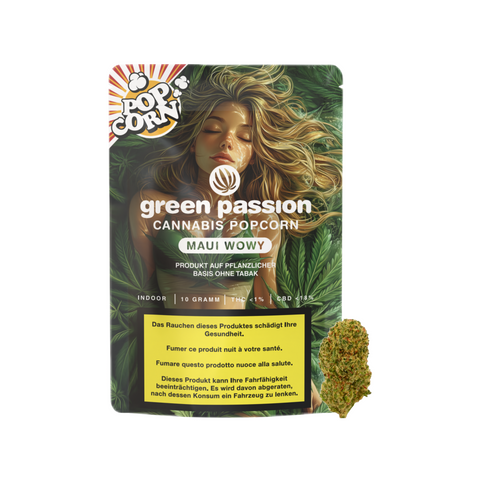
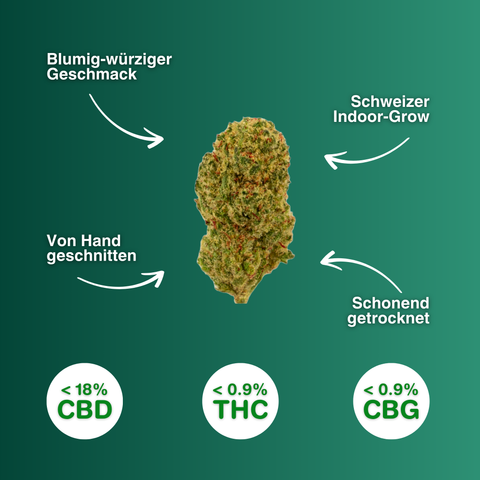
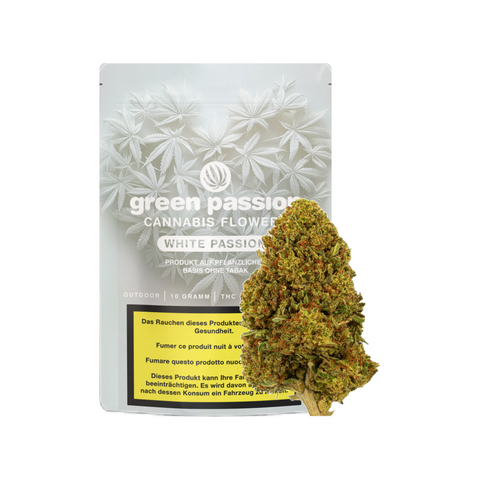
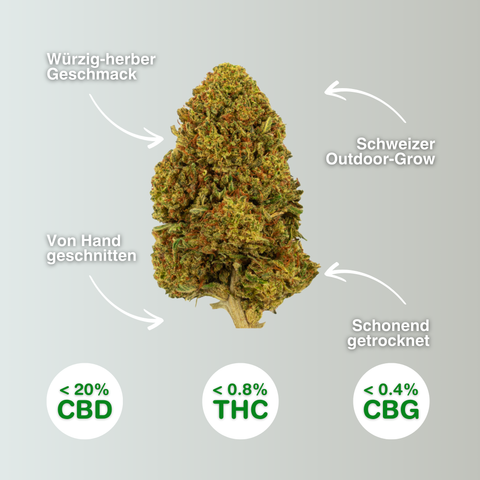
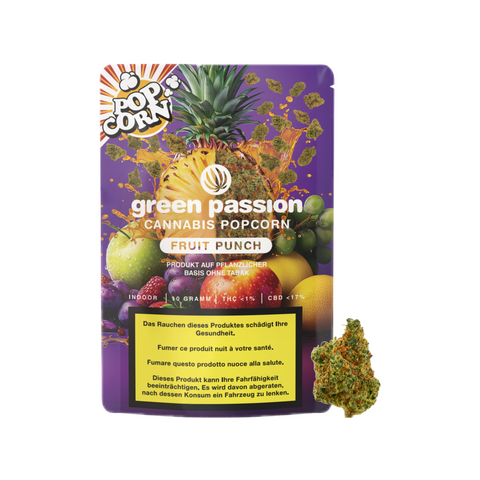
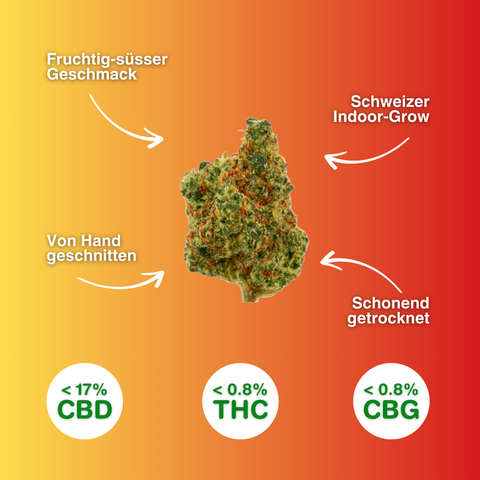
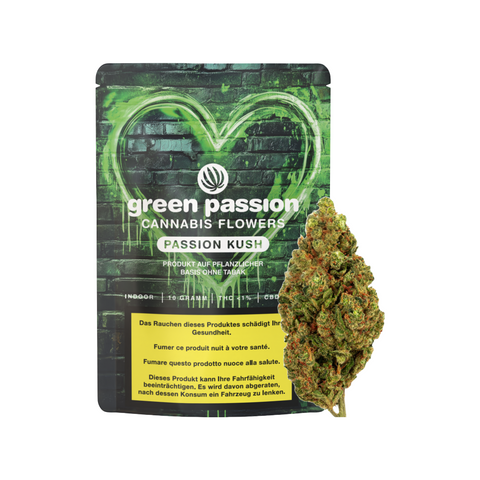
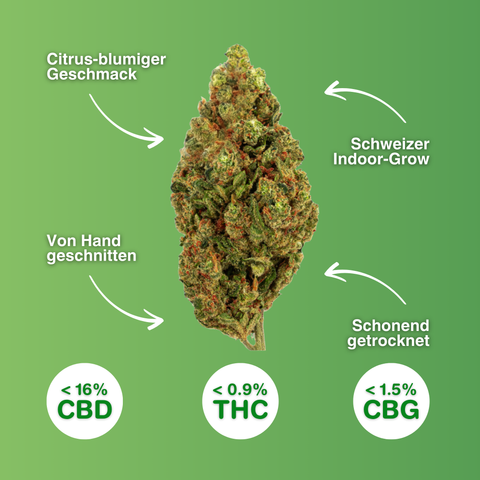
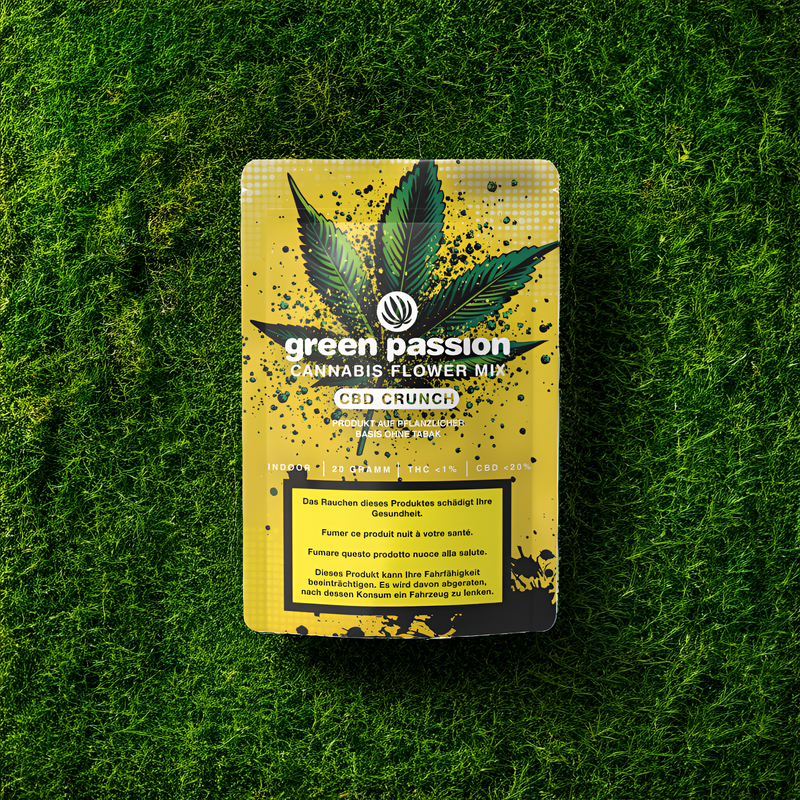
In Switzerland, CBD is legal as long as the THC limit is respected. Consumers who choose high-quality, transparent products gain a much clearer and more realistic understanding of what CBD can and cannot do. Those interested in exploring different CBD flowers or hash varieties will find a wide selection in the Green Passion shop.
Sources (APA 7)
Bergamaschi, M. M., Queiroz, R. H. C., Chagas, M. H. N., et al. (2011). Cannabidiol reduces the anxiety induced by simulated public speaking in treatment-naïve social phobia patients. Neuropsychopharmacology, 36(6), 1219–1226.
Blessing, E. M., Steenkamp, M. M., Manzanares, J., & Marmar, C. R. (2015). Cannabidiol as a potential treatment for anxiety disorders. Neurotherapeutics, 12(4), 825–836.
Huestis, M. A. (2007). Human cannabinoid pharmacokinetics. Chemistry & Biodiversity, 4(8), 1770–1804.
Pertwee, R. G. (2015). Endocannabinoids and their pharmacological actions. Handbook of Experimental Pharmacology, 231, 1–47.
Zuardi, A. W. (2008). Cannabidiol: From an inactive cannabinoid to a drug with a wide spectrum of action. Revista Brasileira de Psiquiatria, 30(3), 271–280.


Comments (0)
There are no comments for this article. Be the first one to leave a message!